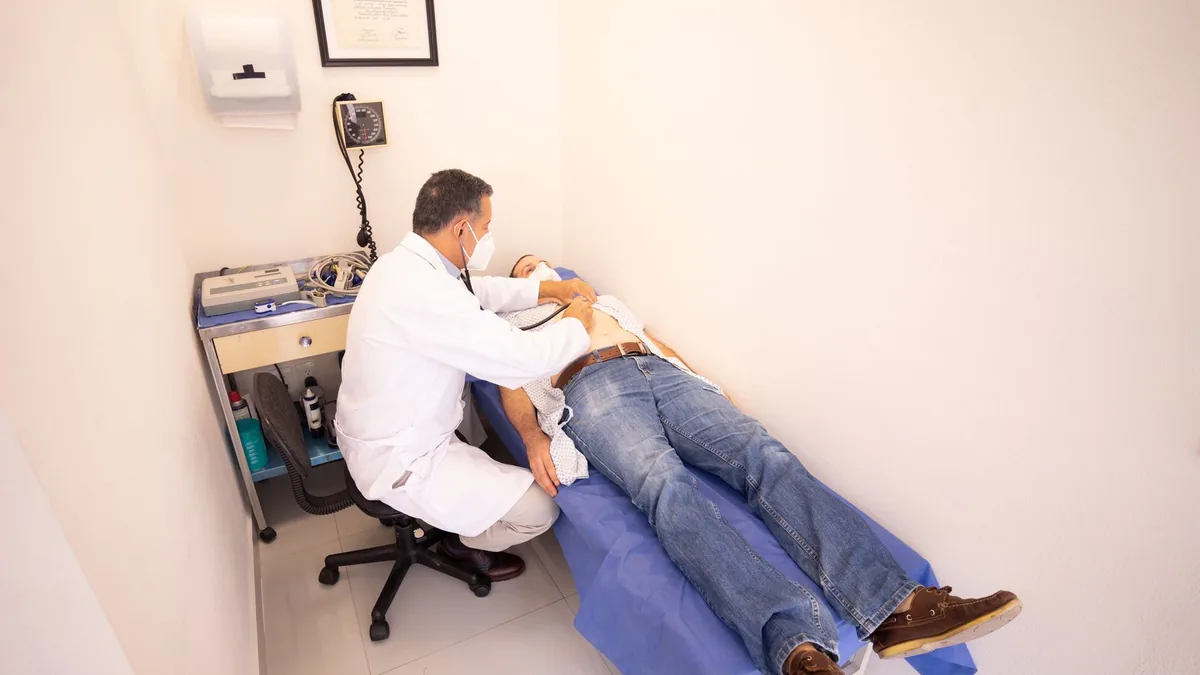

Dementia qualifies for the N-648 citizenship waiver. It qualifies when a documented diagnosis and objective cognitive testing show it prevents learning or demonstrating English and civics. The path has four steps: diagnosis, gathering records, the clinical N-648 evaluation, and the legal filing.
Dementia is the most common condition behind the N-648 citizenship waiver. It is also the one where timing matters most. Waiting is the mistake that costs families everything.
Why does dementia qualify for the N-648 waiver?
The N-648 standard asks one thing. Does a condition prevent learning or demonstrating English and civics knowledge? Dementia attacks exactly those skills: taking in new facts, holding on to them, and pulling them back up under pressure. A progressive neurodegenerative diagnosis means a brain disease that keeps getting worse. Once cognitive testing documents it, it fits the legal standard more directly than almost any other condition.
What are the steps from a dementia diagnosis to an N-648 filing?
1. Diagnosis and documentation. Get a neurology or primary care workup. Add imaging where indicated. Get a named diagnosis in the record. 2. Records assembly. Gather the evidence trail. Include foreign records that show how the disease began. 3. Clinical N-648 evaluation. This means objective cognitive testing in the patient’s own language. Caregivers give the functional history of daily life. It ends in an individualized certification. 4. Legal filing. Your attorney times the N-400 and N-648 filing together.
Should families wait for dementia to get worse before applying?
Some families wait. They think a more advanced dementia will make a stronger case. Meanwhile the applicant loses the ability to take part in her own evaluation. She also loses the ability to understand the oath or to take part in the ceremony in a real way. Early-to-moderate dementia with solid objective testing is a strong case. File while your loved one can still experience becoming a citizen.
Related reading: Who Qualifies for the N-648? Medical Criteria · PTSD, Stroke and Invisible Illness: N-648 Waiver · N-648 Evidence Checklist: Medical Records to Gather · Form N-648 Disability Waiver Evaluation
Frequently Asked Questions
Does a dementia diagnosis automatically qualify for the N-648?
The diagnosis must be documented. Objective testing must connect it to the inability to learn English and civics. Dementia commonly qualifies. But the certification must establish that nexus (link), not just name the disease.
When should a family start the N-648 process after a dementia diagnosis?
Early. Waiting for the disease to get worse weakens the applicant’s ability to take part. It also risks passing the point where they can understand the oath. Early-to-moderate dementia with objective testing makes a strong case.
What role do caregivers play in the evaluation?
Caregivers give the functional history. That is evidence from daily life of memory and learning impairment. It adds to the formal cognitive testing.
Can a person with dementia become a U.S. citizen?
Yes. Dementia is the most common condition behind the N-648 citizenship waiver. That waiver excuses the English and civics test. Dementia qualifies when a documented diagnosis and objective cognitive testing show the disease prevents learning or demonstrating that knowledge. Early-to-moderate dementia with solid testing is a strong case. So file while your loved one can still take part.
What records does a dementia N-648 need?
Start with a named diagnosis. It comes from a neurology or primary care workup, with imaging where indicated. Then gather the full evidence trail. That includes foreign records that show how the disease began. At the evaluation, caregivers add the functional history. That is the story of daily memory and learning problems. It sits next to the formal cognitive testing in an individualized certification.
Is the cognitive testing done in my parent’s own language?
Yes. The clinical N-648 evaluation uses objective cognitive testing in the patient’s own language. It adds a functional history from the caregivers. They see the memory problems every day. The findings then go into an individualized certification for that one applicant. This is step three of the four-step path from diagnosis to filing.
Who files the N-648 with the citizenship application?
The immigration attorney handles the legal filing. The attorney times the N-400 and N-648 filing together. The physician does step three: the clinical N-648 evaluation. It uses objective cognitive testing in the patient’s own language. It ends in an individualized certification. Clear roles let each step happen in order. Diagnosis and records come first, then the evaluation, then the filing.
Watch the full video above, and explore the rest of the series on our YouTube channel.
Schedule Your Exam in St. Louis
Schedule Your Exam Text (314) 886-5902 Call (314) 960-9100
Dr. Gurpreet Padda, MD — USCIS-Designated Civil Surgeon (CSID 111051)
4477 Woodson Rd, Suite 102, St. Louis, MO 63134 — minutes from St. Louis Lambert International Airport
🌐 ImmigrationExam.us
🕗 Mon–Wed 8:00am–5:00pm · Thu 8:00am–12:00pm · Closed Friday & federal holidays
💵 I-693 exam $390 · Follow-up visit $190 · N-648 case review $400 (credited toward evaluation) · N-648 evaluation from $1,400
This article is educational information about the immigration medical examination process. It is not legal advice and does not create a physician–patient relationship. For legal questions about your case, consult a licensed immigration attorney.
Medically reviewed by Dr. Gurpreet Singh Padda, MD, MBA, MHP — USCIS-designated civil surgeon (CSID 111051), board certified in Anesthesiology, Pain Medicine, Interventional Pain Management, Addiction Medicine, and Obesity Medicine. Last reviewed September 2026.