
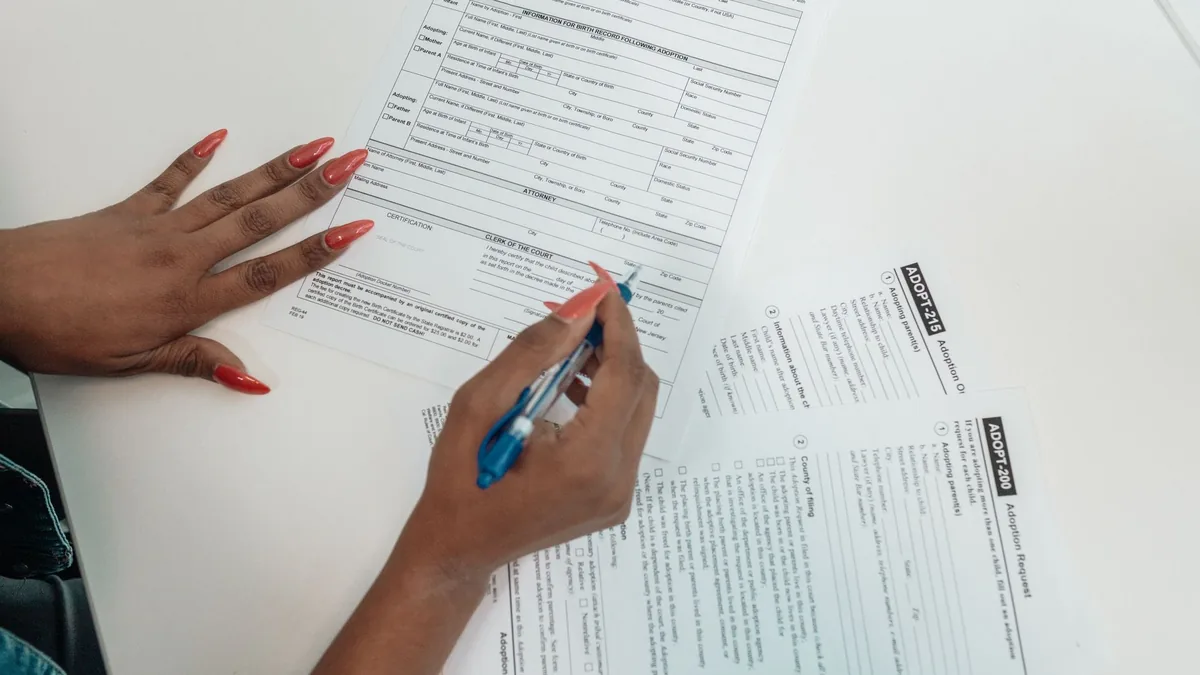
USCIS rejects most N-648 forms for five preventable mistakes. There is no nexus (link) between the diagnosis and the inability to learn. Medical evidence is absent. There is no objective cognitive testing. The language is boilerplate. And the form does not match the rest of the application.
The envelope comes back stamped “insufficient.” Months lost, money wasted, and the next try under a microscope. Every one of those five mistakes is preventable.
The Five Fatal Errors
1. The missing nexus. The form names a diagnosis. But it never explains how that diagnosis prevents learning English or civics. USCIS officers are told outright to look for this cause-and-effect explanation. A diagnosis without a nexus is a form without a spine.
2. Absent medical evidence. The certification rests on a single talk. No records were reviewed. No imaging, no prior papers. The officer sees a conclusion with nothing underneath it.
3. No objective testing. “Patient appears confused” is an observation. A validated cognitive assessment score is evidence, when given in the patient’s own language through an interpreter. The difference decides cases.
4. Boilerplate language. Sometimes a physician’s forms all read the same across different patients. The officers who decide cases notice. Whole practices have had their certifications discounted for it. Every N-648 must be written for that one person.
5. Internal inconsistency. Picture a form that says the applicant cannot learn. It is filed with a naturalization application. Yet the same applicant apparently filled out and understood that application. That raises questions. The whole file must tell one coherent story.
What does a defensible N-648 look like?
Records reviewed and cited. Objective cognitive testing with named tests and scores. A nexus paragraph written in specific language about that one person. A match with the rest of the application. That’s the standard we build to in every evaluation. That is because the family only gets so many attempts before scrutiny piles up.
Related reading: How to Spot an N-648 Mill: 5 Red Flags · What Happens in an N-648 Evaluation · I-693 Exam Money-Back Guarantee in St. Louis · Form N-648 Disability Waiver Evaluation
Frequently Asked Questions
What does ‘insufficient’ mean on a returned N-648?
USCIS decided the certification fell short. It did not adequately establish the diagnosis, the functional impairment, or the causal link between them. The applicant may typically be rescheduled for testing or submit a corrected form.
Can we file a second N-648 after a rejection?
Often yes. But later attempts get closer scrutiny. That is why the second form must be substantially stronger, with objective testing and documented evidence. It cannot merely be sent in again.
What is the ‘nexus’ on Form N-648?
It is the clear, spelled-out medical explanation of how the diagnosed condition prevents the applicant from learning or showing English and civics knowledge. Its absence is the most common reason for rejection.
Watch the full video above, and explore the rest of the series on our YouTube channel.
Schedule Your Exam in St. Louis
Schedule Your Exam Text (314) 886-5902 Call (314) 960-9100
Dr. Gurpreet Padda, MD — USCIS-Designated Civil Surgeon (CSID 111051)
4477 Woodson Rd, Suite 102, St. Louis, MO 63134 — minutes from St. Louis Lambert International Airport
🌐 ImmigrationExam.us
🕗 Mon–Wed 8:00am–5:00pm · Thu 8:00am–12:00pm · Closed Friday & federal holidays
💵 I-693 exam $390 · Follow-up visit $190 · N-648 case review $400 (credited toward evaluation) · N-648 evaluation from $1,400
This article is educational information about the immigration medical examination process. It is not legal advice and does not create a physician–patient relationship. For legal questions about your case, consult a licensed immigration attorney.
Medically reviewed by Dr. Gurpreet Singh Padda, MD, MBA, MHP — USCIS-designated civil surgeon (CSID 111051), board certified in Anesthesiology, Pain Medicine, Interventional Pain Management, Addiction Medicine, and Obesity Medicine. Last reviewed September 2026.