
Tag: medical records

  • Medical Records Organization: Be the CEO of Your Own File

    Medical Records Organization: Be the CEO of Your Own File

    Medical Records Organization: Be the CEO of Your Own File — Dr. Gurpreet Singh Padda, MD, MBA, MHP

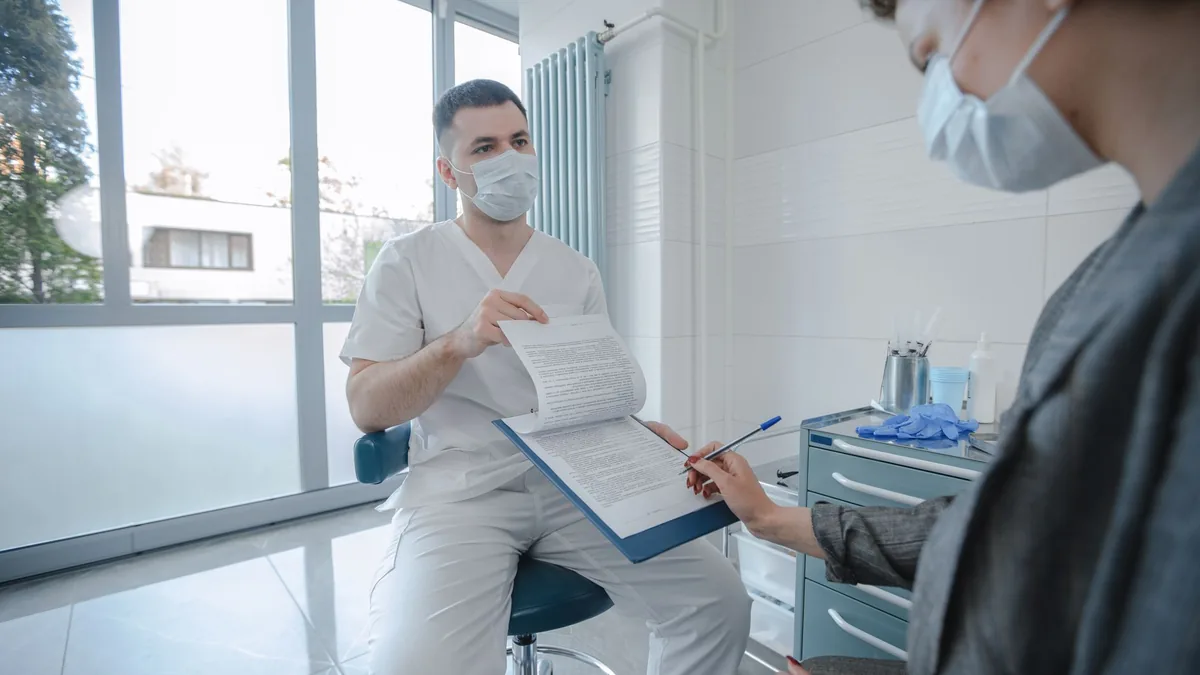
    Organize your medical records into a three-part packet before the immigration exam. Part one is a one-page history summary with a current medication list. Next come labs and reports, with the most recent first. Last is every vaccine record you can find, in any language.

    Your civil surgeon is not your office assistant. When you arrive with a messy stack of records, you ask someone else to rebuild your medical history on the spot.

    What happens if my medical records are disorganized?

    A messy file slows everything down. It raises the risk of transcription errors (copying mistakes). It turns a 30-minute visit into weeks of back-and-forth follow-ups. Worse, it tells every reviewer down the line that the file may have gaps. Organization isn’t for looks. It’s credibility.

    How should I organize medical records for the immigration exam?

    1. A one-page history summary. List your health problems, surgeries, and hospital stays with rough dates. Add a current medication list. One page. Typed if possible.

    2. Labs and reports in date order. Most recent first. Include imaging reports, not discs.

    3. Vaccination proof. Every record you can find, in any language, in any form. That means childhood cards, school records, pharmacy printouts, and foreign records.

    Why does an organized packet speed up the I-693 exam?

    A clean packet lets the exam move at full speed. We verify, examine, order what’s truly missing, complete, and seal. It also makes a better document. That is because the physician works from your actual history instead of rebuilding it from memory under time pressure. You are the CEO of your own medical file. Run it like one.

    Related reading: Vaccination Gaps: The #1 Cause of I-693 Delays · Disclosing Chronic Conditions at the Immigration Exam · Civil Surgeon Objectivity: Why the Exam Feels Cold · I-693 Immigration Medical Exam Cost — $390 Flat, St. Louis

    Frequently Asked Questions

    What should my medical summary page include?

    List your diagnosed conditions. Add major surgeries and hospital stays with rough dates. Add a current medication list with doses. Ideally it is typed, on a single page.

    Should I bring imaging discs to the exam?

    Bring the written radiology reports. Reports are what the file needs. Discs generally cannot be reviewed in the exam setting.

    Does organization really change the outcome?

    It changes speed and accuracy. Organized applicants routinely finish in a single visit. They skip the follow-up documentation loop.

    What vaccination records should I bring to the immigration medical exam?

    Bring every vaccine record you can find, in any language and any format. That includes childhood vaccine cards, school records, pharmacy printouts and records from other countries. Put them together as the third part of your packet. It comes after your one-page history summary and your labs and reports. The civil surgeon can then verify what you have. He orders only what is truly missing.

    How long does the immigration medical exam visit take?

    With an organized packet, the exam is a 30-minute visit. We verify, examine, order what is truly missing, complete and seal. Messy records slow everything down and raise the risk of transcription errors. They can turn that 30-minute visit into weeks of follow-ups. The physician has to rebuild your history instead of working from it.

    Watch the full video above, and explore the rest of the series on our YouTube channel.

    Schedule Your Exam in St. Louis

    Schedule Your Exam  Text (314) 886-5902  Call (314) 960-9100

    Dr. Gurpreet Padda, MD — USCIS-Designated Civil Surgeon (CSID 111051)
    4477 Woodson Rd, Suite 102, St. Louis, MO 63134 — minutes from St. Louis Lambert International Airport
    🌐 ImmigrationExam.us
    🕗 Mon–Wed 8:00am–5:00pm · Thu 8:00am–12:00pm · Closed Friday & federal holidays

    💵 I-693 exam $390 · Follow-up visit $190 · N-648 case review $400 (credited toward evaluation) · N-648 evaluation from $1,400

    This article is educational information about the immigration medical examination process. It is not legal advice and does not create a physician–patient relationship. For legal questions about your case, consult a licensed immigration attorney.

    Medically reviewed by Dr. Gurpreet Singh Padda, MD, MBA, MHP — USCIS-designated civil surgeon (CSID 111051), board certified in Anesthesiology, Pain Medicine, Interventional Pain Management, Addiction Medicine, and Obesity Medicine. Last reviewed September 2026.
  • The N-648 Evidence Checklist: Gather These Medical Records Before You Apply

    The N-648 Evidence Checklist: Gather These Medical Records Before You Apply

    EP 03 — Gather These Records Before You Apply: The N-648 Evidence Checklist — Dr. Gurpreet Singh Padda, MD, MBA, MHP

    Before an N-648 evaluation, gather diagnosis documentation, brain imaging and lab reports, and current medication lists. Also gather functional evidence (how the person copes day to day), such as caregiver notes or past cognitive testing. Records from other countries count too.

    The strongest N-648 begins at your kitchen table, with a folder. A disability waiver stands or falls on medical evidence. Gather it before you book anything.

    The Core Checklist

    Diagnosis documentation: clinic notes, hospital discharge summaries, and neurology or psychiatry consultations. They should name the condition and the dates. Imaging and labs: brain imaging reports (CT/MRI) for stroke or dementia, and related lab results. Medication history: current medication lists that show treatment for the qualifying condition. Functional evidence: home health assessments, caregiver documentation, and past cognitive testing if any exists.

    Records From Other Countries Count

    Many families assume foreign records are useless. Wrong. Take a hospital record from Bosnia, Vietnam, or Mexico that documents a stroke or the early course of dementia. It establishes the timeline: how long the condition has existed. That speaks directly to the 12-month duration requirement. Have them translated. Even partial records help.

    How do you request medical records for an N-648?

    Call each clinic’s medical records office. Ask for records under HIPAA (the federal health privacy law). Providers must give them to the patient or an authorized representative. Ask for visit notes, imaging reports (not just discs), and problem lists. Allow two to three weeks. Bring everything to the evaluation. A physician who reviews a documented history writes a categorically stronger certification than one working from a single visit.

    Related reading: Dementia, Citizenship and the N-648: A Family Guide · N-648 Disability Waiver for the Citizenship Test · Form N-648 Disability Waiver Evaluation

    Frequently Asked Questions

    What records matter most for an N-648?

    Documentation that establishes the diagnosis, how long it has lasted, and how it affects daily life. That means specialist notes, imaging reports, hospital summaries, medication lists, and any past cognitive testing.

    Do medical records from outside the U.S. help?

    Yes. Foreign records establish how long the condition has existed. That supports the 12-month duration requirement. Translation is recommended.

    How do I request records from a clinic?

    Call the medical records office. Ask for them under HIPAA as the patient or authorized representative. Ask for visit notes, imaging reports, and problem lists by name.

    Watch the full video above, and explore the rest of the series on our YouTube channel.

    Schedule Your Exam in St. Louis

    Schedule Your Exam  Text (314) 886-5902  Call (314) 960-9100

    Dr. Gurpreet Padda, MD — USCIS-Designated Civil Surgeon (CSID 111051)
    4477 Woodson Rd, Suite 102, St. Louis, MO 63134 — minutes from St. Louis Lambert International Airport
    🌐 ImmigrationExam.us
    🕗 Mon–Wed 8:00am–5:00pm · Thu 8:00am–12:00pm · Closed Friday & federal holidays

    💵 I-693 exam $390 · Follow-up visit $190 · N-648 case review $400 (credited toward evaluation) · N-648 evaluation from $1,400

    This article is educational information about the immigration medical examination process. It is not legal advice and does not create a physician–patient relationship. For legal questions about your case, consult a licensed immigration attorney.

    Medically reviewed by Dr. Gurpreet Singh Padda, MD, MBA, MHP — USCIS-designated civil surgeon (CSID 111051), board certified in Anesthesiology, Pain Medicine, Interventional Pain Management, Addiction Medicine, and Obesity Medicine. Last reviewed September 2026.