

Tag: N-648

  • PTSD, Stroke and Invisible Illness: Can They Qualify for the N-648?

    PTSD, Stroke and Invisible Illness: Can They Qualify for the N-648?

    EP 08 — PTSD, Stroke & Invisible Illness: Can They Qualify for the N-648? — Dr. Gurpreet Singh Padda, MD, MBA, MHP

    Severe chronic PTSD and post-stroke cognitive impairment can qualify for the N-648, but not every case does. The standard is not the diagnosis. It is whether objective testing documents that the condition prevents learning or demonstrating English and civics.

    Dementia, families understand. But what about severe PTSD from war? A stroke that left someone walking and talking — but unable to learn?

    Can mental illness or a stroke qualify for the N-648?

    Yes. Severe, chronic psychiatric illness and post-stroke cognitive impairment can qualify for the N-648. And no, not every case of PTSD or every stroke does. The standard isn’t the diagnosis label. It’s whether the condition, documented objectively, truly prevents learning or demonstrating the required knowledge.

    When does PTSD qualify for the N-648?

    Combat survivors, torture survivors, and refugees with severe, chronic PTSD may have profound impairment of concentration, memory encoding (storing new memories), and learning. Those are the exact skills the citizenship test demands. So what separates a qualifying case from one that earns sympathy but falls short? Longitudinal psychiatric records (records kept over time), treatment history, and cognitive or psychological testing. That testing documents the functional deficit, not just the diagnosis.

    Can a stroke survivor who seems recovered qualify for the N-648?

    A person can get back speech and movement after a stroke and still keep serious deficits in new learning and memory. It is invisible at dinner and decisive at a test. Imaging plus neurocognitive testing (tests of memory and thinking) makes the invisible visible to an adjudicator. That’s the entire craft of a strong invisible-illness N-648: turning lived impairment into objective evidence that can be reviewed.

    Related reading: Who Qualifies for the N-648? Medical Criteria · Dementia, Citizenship and the N-648: A Family Guide · Oath of Allegiance Waiver Explained · Form N-648 Disability Waiver Evaluation

    Frequently Asked Questions

    Can PTSD qualify for the N-648 citizenship waiver?

    Severe, chronic PTSD can qualify when there is documented functional impairment of learning and memory. Ordinary or well-managed PTSD without such impairment generally does not.

    My father’s stroke recovery looks complete. Could he still qualify?

    Possibly. After a stroke, problems with new learning and memory can last. They can last even when speech and movement come back. Neurocognitive testing decides whether a qualifying impairment exists.

    What evidence matters most for invisible conditions?

    Longitudinal treatment records (records kept over time) plus objective testing, psychological or neurocognitive. The testing documents the functional deficit. That deficit connects the diagnosis to the inability to test.

    Is a PTSD or stroke diagnosis enough for the N-648 by itself?

    No. The standard is not the diagnosis label. It is whether the condition, documented objectively, prevents learning or demonstrating English and civics. A sympathetic history without testing is not enough. Records and testing that show the functional deficit turn a diagnosis into a qualifying case. The name of the illness alone does not.

    Which PTSD cases are most likely to qualify?

    Severe, chronic PTSD in combat survivors, torture survivors and refugees can cause profound problems with concentration, memory encoding and learning. Those are the exact skills the citizenship test demands. These cases qualify when longitudinal psychiatric records, treatment history and cognitive or psychological testing document that deficit. Ordinary or well-managed PTSD without that impairment generally does not.

    What testing proves memory problems after a stroke?

    Imaging plus neurocognitive testing. A person can regain speech and mobility after a stroke. They can still have serious deficits in new learning and memory that no one notices at dinner. Imaging shows the injury. Neurocognitive testing measures what it did to learning. Together they turn an invisible impairment into objective evidence an adjudicator can review.

    Watch the full video above, and explore the rest of the series on our YouTube channel.

    Schedule Your Exam in St. Louis

    Schedule Your Exam  Text (314) 886-5902  Call (314) 960-9100

    Dr. Gurpreet Padda, MD — USCIS-Designated Civil Surgeon (CSID 111051)
    4477 Woodson Rd, Suite 102, St. Louis, MO 63134 — minutes from St. Louis Lambert International Airport
    🌐 ImmigrationExam.us
    🕗 Mon–Wed 8:00am–5:00pm · Thu 8:00am–12:00pm · Closed Friday & federal holidays

    💵 I-693 exam $390 · Follow-up visit $190 · N-648 case review $400 (credited toward evaluation) · N-648 evaluation from $1,400

    This article is educational information about the immigration medical examination process. It is not legal advice and does not create a physician–patient relationship. For legal questions about your case, consult a licensed immigration attorney.

    Medically reviewed by Dr. Gurpreet Singh Padda, MD, MBA, MHP — USCIS-designated civil surgeon (CSID 111051), board certified in Anesthesiology, Pain Medicine, Interventional Pain Management, Addiction Medicine, and Obesity Medicine. Last reviewed September 2026.

  • Dementia and Citizenship: A Family’s Guide from Diagnosis to Decision

    Dementia and Citizenship: A Family’s Guide from Diagnosis to Decision

    EP 07 — Dementia and Citizenship: A Family's Guide from Diagnosis to Decision — Dr. Gurpreet Singh Padda, MD, MBA, MHP

    Dementia qualifies for the N-648 citizenship waiver. It qualifies when a documented diagnosis and objective cognitive testing show it prevents learning or demonstrating English and civics. The path has four steps: diagnosis, gathering records, the clinical N-648 evaluation, and the legal filing.

    Dementia is the most common condition behind the N-648 citizenship waiver. It is also the one where timing matters most. Waiting is the mistake that costs families everything.

    Why does dementia qualify for the N-648 waiver?

    The N-648 standard asks one thing. Does a condition prevent learning or demonstrating English and civics knowledge? Dementia attacks exactly those skills: taking in new facts, holding on to them, and pulling them back up under pressure. A progressive neurodegenerative diagnosis means a brain disease that keeps getting worse. Once cognitive testing documents it, it fits the legal standard more directly than almost any other condition.

    What are the steps from a dementia diagnosis to an N-648 filing?

    1. Diagnosis and documentation. Get a neurology or primary care workup. Add imaging where indicated. Get a named diagnosis in the record. 2. Records assembly. Gather the evidence trail. Include foreign records that show how the disease began. 3. Clinical N-648 evaluation. This means objective cognitive testing in the patient’s own language. Caregivers give the functional history of daily life. It ends in an individualized certification. 4. Legal filing. Your attorney times the N-400 and N-648 filing together.

    Should families wait for dementia to get worse before applying?

    Some families wait. They think a more advanced dementia will make a stronger case. Meanwhile the applicant loses the ability to take part in her own evaluation. She also loses the ability to understand the oath or to take part in the ceremony in a real way. Early-to-moderate dementia with solid objective testing is a strong case. File while your loved one can still experience becoming a citizen.

    Related reading: Who Qualifies for the N-648? Medical Criteria · PTSD, Stroke and Invisible Illness: N-648 Waiver · N-648 Evidence Checklist: Medical Records to Gather · Form N-648 Disability Waiver Evaluation

    Frequently Asked Questions

    Does a dementia diagnosis automatically qualify for the N-648?

    The diagnosis must be documented. Objective testing must connect it to the inability to learn English and civics. Dementia commonly qualifies. But the certification must establish that nexus (link), not just name the disease.

    When should a family start the N-648 process after a dementia diagnosis?

    Early. Waiting for the disease to get worse weakens the applicant’s ability to take part. It also risks passing the point where they can understand the oath. Early-to-moderate dementia with objective testing makes a strong case.

    What role do caregivers play in the evaluation?

    Caregivers give the functional history. That is evidence from daily life of memory and learning impairment. It adds to the formal cognitive testing.

    Can a person with dementia become a U.S. citizen?

    Yes. Dementia is the most common condition behind the N-648 citizenship waiver. That waiver excuses the English and civics test. Dementia qualifies when a documented diagnosis and objective cognitive testing show the disease prevents learning or demonstrating that knowledge. Early-to-moderate dementia with solid testing is a strong case. So file while your loved one can still take part.

    What records does a dementia N-648 need?

    Start with a named diagnosis. It comes from a neurology or primary care workup, with imaging where indicated. Then gather the full evidence trail. That includes foreign records that show how the disease began. At the evaluation, caregivers add the functional history. That is the story of daily memory and learning problems. It sits next to the formal cognitive testing in an individualized certification.

    Is the cognitive testing done in my parent’s own language?

    Yes. The clinical N-648 evaluation uses objective cognitive testing in the patient’s own language. It adds a functional history from the caregivers. They see the memory problems every day. The findings then go into an individualized certification for that one applicant. This is step three of the four-step path from diagnosis to filing.

    Who files the N-648 with the citizenship application?

    The immigration attorney handles the legal filing. The attorney times the N-400 and N-648 filing together. The physician does step three: the clinical N-648 evaluation. It uses objective cognitive testing in the patient’s own language. It ends in an individualized certification. Clear roles let each step happen in order. Diagnosis and records come first, then the evaluation, then the filing.

    Watch the full video above, and explore the rest of the series on our YouTube channel.

    Schedule Your Exam in St. Louis

    Schedule Your Exam  Text (314) 886-5902  Call (314) 960-9100

    Dr. Gurpreet Padda, MD — USCIS-Designated Civil Surgeon (CSID 111051)
    4477 Woodson Rd, Suite 102, St. Louis, MO 63134 — minutes from St. Louis Lambert International Airport
    🌐 ImmigrationExam.us
    🕗 Mon–Wed 8:00am–5:00pm · Thu 8:00am–12:00pm · Closed Friday & federal holidays

    💵 I-693 exam $390 · Follow-up visit $190 · N-648 case review $400 (credited toward evaluation) · N-648 evaluation from $1,400

    This article is educational information about the immigration medical examination process. It is not legal advice and does not create a physician–patient relationship. For legal questions about your case, consult a licensed immigration attorney.

    Medically reviewed by Dr. Gurpreet Singh Padda, MD, MBA, MHP — USCIS-designated civil surgeon (CSID 111051), board certified in Anesthesiology, Pain Medicine, Interventional Pain Management, Addiction Medicine, and Obesity Medicine. Last reviewed September 2026.

  • When They Can’t Understand the Oath: The Oath Waiver Explained

    When They Can’t Understand the Oath: The Oath Waiver Explained

    EP 06 — When They Can't Understand the Oath: The Oath Waiver Explained — Dr. Gurpreet Singh Padda, MD, MBA, MHP

    The oath waiver lets USCIS waive the Oath of Allegiance for some applicants. These applicants cannot understand or communicate an understanding of its meaning because of a physical or developmental disability or mental impairment. Citizenship is then granted. Often a legal guardian or representative acts for the applicant.

    The Oath of Allegiance is the final step of every citizenship journey. But what happens when dementia means your loved one can no longer understand what an oath is?

    What is the Oath of Allegiance waiver?

    Federal law allows USCIS to waive the Oath of Allegiance for some applicants. These applicants cannot understand or communicate an understanding of its meaning because of a physical or developmental disability or mental impairment. Citizenship is then granted without the applicant taking the oath in person. Often a legal guardian or designated representative acts for the applicant.

    How is the oath waiver different from the N-648 test waiver?

    The N-648 waives the English and civics testing. The oath waiver deals with a later, deeper bar: understanding the oath itself. Some applicants qualify for the first but not the second. They can’t learn civics, but in their own way they do grasp what promising loyalty means. Others, typically in advanced dementia, need both. Get this difference right at the evaluation stage. It prevents painful surprises at the ceremony stage.

    How is an oath waiver documented?

    The papers for an oath waiver rest on the same clinical base as a strong N-648. That means an established diagnosis, objective cognitive findings (test results on thinking and memory), and a clear doctor’s explanation. Sometimes a patient’s impairment runs deep enough to block understanding of the oath. When we find that, we write it down so the attorney can request the waiver properly. And the family can plan for a ceremony where a representative stands beside their loved one.

    Related reading: Who Qualifies for the N-648? Medical Criteria · PTSD, Stroke and Invisible Illness: N-648 Waiver · Form N-648 Disability Waiver Evaluation

    Frequently Asked Questions

    Can someone become a citizen without taking the Oath of Allegiance?

    Yes. USCIS may waive the oath for applicants who cannot understand its meaning due to a qualifying disability or impairment. A legal guardian or representative then acts on their behalf.

    Why should families facing dementia file before the loved one loses understanding of the oath? See Dementia and Citizenship: A Family’s Guide.

    Is the oath waiver part of the N-648?

    They are related but different. The N-648 waives testing. The oath waiver deals with understanding the oath itself. Papers for both come from the same clinical evaluation.

    We explain the N-648 test waiver itself in The Citizenship Test They Cannot Pass.

    Who requests the oath waiver?

    Typically the family and their immigration attorney request it. A doctor’s papers back it up. They show the applicant cannot comprehend the oath.

    Who qualifies for an Oath of Allegiance waiver?

    An applicant qualifies when a physical or developmental disability or a mental impairment keeps them from understanding the oath. It also counts if it keeps them from communicating that they understand what it means. Advanced dementia is the typical case. The waiver rests on an established diagnosis, objective cognitive findings and a clear doctor’s explanation. These are documented at the evaluation so the immigration attorney can request it properly.

    Can someone qualify for the N-648 and still take the oath?

    Yes. Some applicants cannot learn civics, yet in their own way they still grasp what promising loyalty means. They qualify for the N-648 test waiver but not the oath waiver. So they take the oath themselves. Others, usually in advanced dementia, need both waivers. Sort this out at the evaluation stage. It prevents painful surprises at the ceremony stage.

    What happens at the ceremony when the oath is waived?

    Citizenship is granted without the applicant taking the oath in person. A legal guardian or designated representative often acts for the applicant. So families can plan for a ceremony where that representative stands beside their loved one. Knowing this ahead of time helps. The family can prepare the paperwork and the day itself instead of being caught off guard.

    Watch the full video above, and explore the rest of the series on our YouTube channel.

    Schedule Your Exam in St. Louis

    Schedule Your Exam  Text (314) 886-5902  Call (314) 960-9100

    Dr. Gurpreet Padda, MD — USCIS-Designated Civil Surgeon (CSID 111051)
    4477 Woodson Rd, Suite 102, St. Louis, MO 63134 — minutes from St. Louis Lambert International Airport
    🌐 ImmigrationExam.us
    🕗 Mon–Wed 8:00am–5:00pm · Thu 8:00am–12:00pm · Closed Friday & federal holidays

    💵 I-693 exam $390 · Follow-up visit $190 · N-648 case review $400 (credited toward evaluation) · N-648 evaluation from $1,400

    This article is educational information about the immigration medical examination process. It is not legal advice and does not create a physician–patient relationship. For legal questions about your case, consult a licensed immigration attorney.

    Medically reviewed by Dr. Gurpreet Singh Padda, MD, MBA, MHP — USCIS-designated civil surgeon (CSID 111051), board certified in Anesthesiology, Pain Medicine, Interventional Pain Management, Addiction Medicine, and Obesity Medicine. Last reviewed September 2026.

  • Waiver, Accommodation, or Age Exemption? Choose the Right Citizenship Test Path

    Waiver, Accommodation, or Age Exemption? Choose the Right Citizenship Test Path

    EP 05 — Waiver, Accommodation, or Age Exemption? Choose the Right Citizenship Path — Dr. Gurpreet Singh Padda, MD, MBA, MHP

    There are three paths past the citizenship test. The 50/20 and 55/15 age exemptions need no doctor. Reasonable accommodations change how the test is given. The N-648 medical waiver is reserved for conditions that prevent learning the material in any language or format.

    Not everyone who struggles with the citizenship test needs a medical waiver. Choosing the wrong path costs families time, money, and heartache.

    Door One: Who is exempt from the English test because of age?

    The 50/20 rule: applicants age 50+ with 20+ years as a lawful permanent resident may take the civics test in their own language, with no English requirement. The 55/15 rule: age 55+ with 15+ years as an LPR, same relief. At 65 with 20+ years, a simplified civics test applies. These are statutory rights (rights set by law). No medical certification, no physician, no extra cost.

    Door Two: Can I get extra time or other accommodations on the citizenship test?

    Some applicants can learn but need the test given differently. Think extended time, breaks, a quiet room, sign language interpretation, or off-site testing for the homebound. USCIS provides accommodations on request. The knowledge requirement stays. The format flexes.

    Door Three: Who qualifies for the N-648 medical waiver?

    Reserved for applicants whose medical condition prevents learning or demonstrating the knowledge at all, in any language, in any format. This is the strongest relief and the hardest to document. An honest evaluator’s first job is triage (sorting cases by need). Many families who arrive asking about the N-648 find that an age exemption already solves their problem, for free.

    Related reading: N-648 Disability Waiver for the Citizenship Test · Dementia, Citizenship and the N-648: A Family Guide · N-648 180-Day Rule: When to Schedule · Form N-648 Disability Waiver Evaluation

    Frequently Asked Questions

    What is the 50/20 rule for citizenship?

    Applicants age 50 or older with at least 20 years as lawful permanent residents may take the civics test in their own language. They are exempt from the English requirement. No medical certification is needed.

    What accommodations does USCIS offer for the citizenship test?

    Extended time, breaks, quiet rooms, sign language interpretation, and off-site testing for homebound applicants, among others. You request them through the N-400 process.

    How do I know which path fits my family member?

    Start with age and residency math (the exemptions). Then consider whether the format is the barrier (accommodations). Save the N-648 for conditions that prevent learning entirely. A candid case review sorts this quickly.

    What is the 55/15 rule for citizenship?

    The 55/15 rule applies to applicants who are 55 or older and have been lawful permanent residents for at least 15 years. They may take the civics test in their own language and have no English requirement. That is the same relief as the 50/20 rule. It is a statutory right: no medical certification, no physician and no extra cost are involved.

    Is there a simpler civics test for applicants 65 and older?

    Yes. Applicants who are 65 or older and have been lawful permanent residents for 20 years or more get a simplified civics test. Like the 50/20 and 55/15 exemptions, this is a statutory right. So it needs no doctor, no medical form and no extra cost. Check the age and residency math first, before paying for any medical evaluation.

    Is the N-648 waiver the same as a test accommodation?

    No. An accommodation keeps the knowledge requirement and changes the format. Options include extended time, breaks, a quiet room, sign language interpretation or off-site testing. The N-648 medical waiver is for applicants whose medical condition prevents them from learning or showing the knowledge at all, in any language or format. It is the strongest relief and the hardest to document.

    Watch the full video above, and explore the rest of the series on our YouTube channel.

    Schedule Your Exam in St. Louis

    Schedule Your Exam  Text (314) 886-5902  Call (314) 960-9100

    Dr. Gurpreet Padda, MD — USCIS-Designated Civil Surgeon (CSID 111051)
    4477 Woodson Rd, Suite 102, St. Louis, MO 63134 — minutes from St. Louis Lambert International Airport
    🌐 ImmigrationExam.us
    🕗 Mon–Wed 8:00am–5:00pm · Thu 8:00am–12:00pm · Closed Friday & federal holidays

    💵 I-693 exam $390 · Follow-up visit $190 · N-648 case review $400 (credited toward evaluation) · N-648 evaluation from $1,400

    This article is educational information about the immigration medical examination process. It is not legal advice and does not create a physician–patient relationship. For legal questions about your case, consult a licensed immigration attorney.

    Medically reviewed by Dr. Gurpreet Singh Padda, MD, MBA, MHP — USCIS-designated civil surgeon (CSID 111051), board certified in Anesthesiology, Pain Medicine, Interventional Pain Management, Addiction Medicine, and Obesity Medicine. Last reviewed September 2026.
  • The N-648 Evidence Checklist: Gather These Medical Records Before You Apply

    The N-648 Evidence Checklist: Gather These Medical Records Before You Apply

    EP 03 — Gather These Records Before You Apply: The N-648 Evidence Checklist — Dr. Gurpreet Singh Padda, MD, MBA, MHP

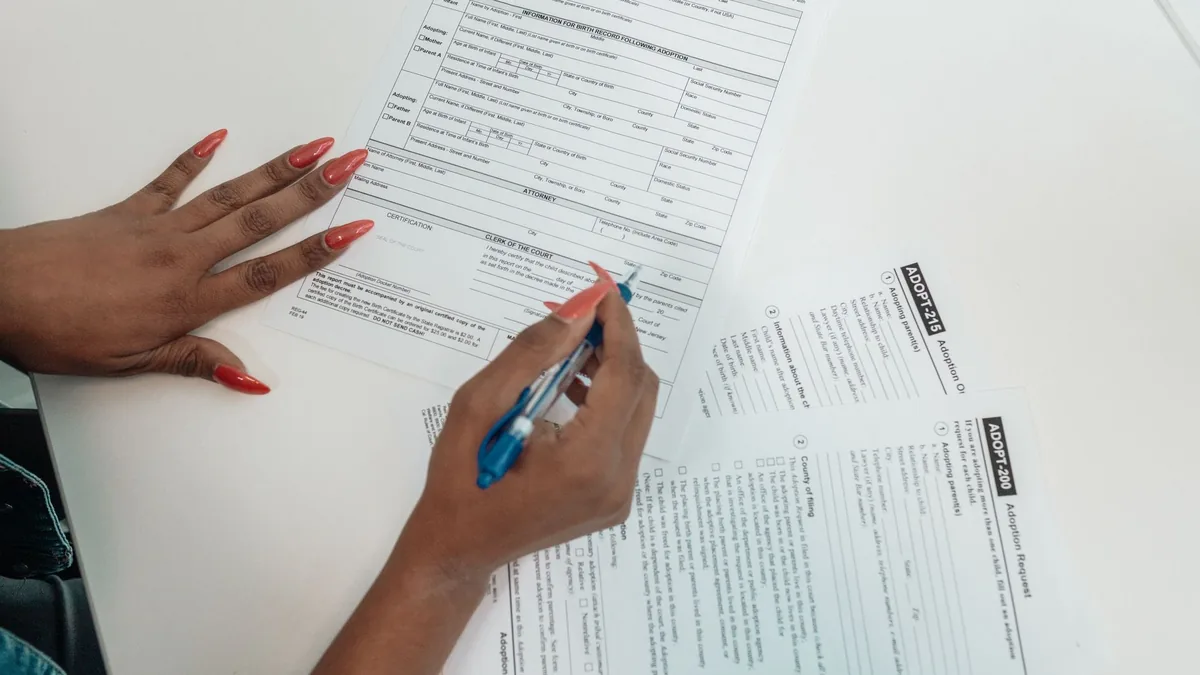
    Before an N-648 evaluation, gather diagnosis documentation, brain imaging and lab reports, and current medication lists. Also gather functional evidence (how the person copes day to day), such as caregiver notes or past cognitive testing. Records from other countries count too.

    The strongest N-648 begins at your kitchen table, with a folder. A disability waiver stands or falls on medical evidence. Gather it before you book anything.

    The Core Checklist

    Diagnosis documentation: clinic notes, hospital discharge summaries, and neurology or psychiatry consultations. They should name the condition and the dates. Imaging and labs: brain imaging reports (CT/MRI) for stroke or dementia, and related lab results. Medication history: current medication lists that show treatment for the qualifying condition. Functional evidence: home health assessments, caregiver documentation, and past cognitive testing if any exists.

    Records From Other Countries Count

    Many families assume foreign records are useless. Wrong. Take a hospital record from Bosnia, Vietnam, or Mexico that documents a stroke or the early course of dementia. It establishes the timeline: how long the condition has existed. That speaks directly to the 12-month duration requirement. Have them translated. Even partial records help.

    How do you request medical records for an N-648?

    Call each clinic’s medical records office. Ask for records under HIPAA (the federal health privacy law). Providers must give them to the patient or an authorized representative. Ask for visit notes, imaging reports (not just discs), and problem lists. Allow two to three weeks. Bring everything to the evaluation. A physician who reviews a documented history writes a categorically stronger certification than one working from a single visit.

    Related reading: Dementia, Citizenship and the N-648: A Family Guide · N-648 Disability Waiver for the Citizenship Test · Form N-648 Disability Waiver Evaluation

    Frequently Asked Questions

    What records matter most for an N-648?

    Documentation that establishes the diagnosis, how long it has lasted, and how it affects daily life. That means specialist notes, imaging reports, hospital summaries, medication lists, and any past cognitive testing.

    Do medical records from outside the U.S. help?

    Yes. Foreign records establish how long the condition has existed. That supports the 12-month duration requirement. Translation is recommended.

    How do I request records from a clinic?

    Call the medical records office. Ask for them under HIPAA as the patient or authorized representative. Ask for visit notes, imaging reports, and problem lists by name.

    Watch the full video above, and explore the rest of the series on our YouTube channel.

    Schedule Your Exam in St. Louis

    Schedule Your Exam  Text (314) 886-5902  Call (314) 960-9100

    Dr. Gurpreet Padda, MD — USCIS-Designated Civil Surgeon (CSID 111051)
    4477 Woodson Rd, Suite 102, St. Louis, MO 63134 — minutes from St. Louis Lambert International Airport
    🌐 ImmigrationExam.us
    🕗 Mon–Wed 8:00am–5:00pm · Thu 8:00am–12:00pm · Closed Friday & federal holidays

    💵 I-693 exam $390 · Follow-up visit $190 · N-648 case review $400 (credited toward evaluation) · N-648 evaluation from $1,400

    This article is educational information about the immigration medical examination process. It is not legal advice and does not create a physician–patient relationship. For legal questions about your case, consult a licensed immigration attorney.

    Medically reviewed by Dr. Gurpreet Singh Padda, MD, MBA, MHP — USCIS-designated civil surgeon (CSID 111051), board certified in Anesthesiology, Pain Medicine, Interventional Pain Management, Addiction Medicine, and Obesity Medicine. Last reviewed September 2026.
  • Why USCIS Rejects Most N-648 Disability Waivers: The 5 Mistakes That Sink the Form

    Why USCIS Rejects Most N-648 Disability Waivers: The 5 Mistakes That Sink the Form

    EP 02 — Why USCIS Rejects Most Disability Waivers: The 5 Mistakes That Sink Form N-648 — Dr. Gurpreet Singh Padda, MD, MBA, MHP

    USCIS rejects most N-648 forms for five preventable mistakes. There is no nexus (link) between the diagnosis and the inability to learn. Medical evidence is absent. There is no objective cognitive testing. The language is boilerplate. And the form does not match the rest of the application.

    The envelope comes back stamped “insufficient.” Months lost, money wasted, and the next try under a microscope. Every one of those five mistakes is preventable.

    The Five Fatal Errors

    1. The missing nexus. The form names a diagnosis. But it never explains how that diagnosis prevents learning English or civics. USCIS officers are told outright to look for this cause-and-effect explanation. A diagnosis without a nexus is a form without a spine.

    2. Absent medical evidence. The certification rests on a single talk. No records were reviewed. No imaging, no prior papers. The officer sees a conclusion with nothing underneath it.

    3. No objective testing. “Patient appears confused” is an observation. A validated cognitive assessment score is evidence, when given in the patient’s own language through an interpreter. The difference decides cases.

    4. Boilerplate language. Sometimes a physician’s forms all read the same across different patients. The officers who decide cases notice. Whole practices have had their certifications discounted for it. Every N-648 must be written for that one person.

    5. Internal inconsistency. Picture a form that says the applicant cannot learn. It is filed with a naturalization application. Yet the same applicant apparently filled out and understood that application. That raises questions. The whole file must tell one coherent story.

    What does a defensible N-648 look like?

    Records reviewed and cited. Objective cognitive testing with named tests and scores. A nexus paragraph written in specific language about that one person. A match with the rest of the application. That’s the standard we build to in every evaluation. That is because the family only gets so many attempts before scrutiny piles up.

    Related reading: How to Spot an N-648 Mill: 5 Red Flags · What Happens in an N-648 Evaluation · I-693 Exam Money-Back Guarantee in St. Louis · Form N-648 Disability Waiver Evaluation

    Frequently Asked Questions

    What does ‘insufficient’ mean on a returned N-648?

    USCIS decided the certification fell short. It did not adequately establish the diagnosis, the functional impairment, or the causal link between them. The applicant may typically be rescheduled for testing or submit a corrected form.

    Can we file a second N-648 after a rejection?

    Often yes. But later attempts get closer scrutiny. That is why the second form must be substantially stronger, with objective testing and documented evidence. It cannot merely be sent in again.

    What is the ‘nexus’ on Form N-648?

    It is the clear, spelled-out medical explanation of how the diagnosed condition prevents the applicant from learning or showing English and civics knowledge. Its absence is the most common reason for rejection.

    Watch the full video above, and explore the rest of the series on our YouTube channel.

    Schedule Your Exam in St. Louis

    Schedule Your Exam  Text (314) 886-5902  Call (314) 960-9100

    Dr. Gurpreet Padda, MD — USCIS-Designated Civil Surgeon (CSID 111051)
    4477 Woodson Rd, Suite 102, St. Louis, MO 63134 — minutes from St. Louis Lambert International Airport
    🌐 ImmigrationExam.us
    🕗 Mon–Wed 8:00am–5:00pm · Thu 8:00am–12:00pm · Closed Friday & federal holidays

    💵 I-693 exam $390 · Follow-up visit $190 · N-648 case review $400 (credited toward evaluation) · N-648 evaluation from $1,400

    This article is educational information about the immigration medical examination process. It is not legal advice and does not create a physician–patient relationship. For legal questions about your case, consult a licensed immigration attorney.

    Medically reviewed by Dr. Gurpreet Singh Padda, MD, MBA, MHP — USCIS-designated civil surgeon (CSID 111051), board certified in Anesthesiology, Pain Medicine, Interventional Pain Management, Addiction Medicine, and Obesity Medicine. Last reviewed September 2026.

  • Who Qualifies for the N-648? A Doctor Explains the Medical Criteria

    Who Qualifies for the N-648? A Doctor Explains the Medical Criteria

    EP 01 — Who Qualifies for the N-648? A Doctor Explains the Medical Criteria — Dr. Gurpreet Singh Padda, MD, MBA, MHP

    You qualify for the N-648 when you have a diagnosed physical or developmental disability or mental impairment. It must have lasted, or be expected to last, at least 12 months. And it must prevent you from learning or demonstrating English or civics. Dementia is the most common condition that qualifies. Significant stroke, developmental disabilities and severe chronic psychiatric illness can also qualify. Age, illiteracy or test anxiety alone do not.

    “Does my mother qualify for the citizenship test medical waiver?” It’s the first question every family asks. Most websites won’t answer it honestly.

    The Legal Standard, In Plain Words

    The N-648 requires a medically determinable physical or developmental disability or mental impairment. That means a doctor can confirm it with medical evidence. It must have lasted, or be expected to last, at least 12 months. And it must prevent the applicant from learning or demonstrating English and/or civics knowledge. Two elements must both be present. First, a real diagnosis established by clinical evidence. Second, a genuine causal connection (a true cause-and-effect link) between that diagnosis and the inability to test.

    What medical conditions qualify for the N-648?

    Dementia (Alzheimer’s and other types) is the most common qualifying condition. That is because the disease directly destroys the ability to learn and keep new information. Other conditions can also qualify when objective testing documents the functional impairment (the loss of function). These conditions include significant stroke with cognitive sequelae (lasting thinking problems). They include developmental disabilities. They also include severe, chronic psychiatric illness, such as disabling PTSD or schizophrenia.

    What does not qualify for the N-648?

    Age alone. Illiteracy alone. Trouble with English alone. Ordinary anxiety about the test. Mild, well-controlled conditions that don’t impair learning. An honest evaluator will tell a family early when a condition won’t meet the standard. That is because a weak N-648 doesn’t just fail. It invites scrutiny (a close look) of the entire application.

    The good news for those who don’t qualify medically: other options exist on separate tracks. These are age-based exemptions (the 50/20 and 55/15 rules) and testing accommodations. One of those may fit instead.

    Related reading: N-648 Disability Waiver for the Citizenship Test · Dementia, Citizenship and the N-648: A Family Guide · Citizenship Test Waiver, Accommodation or Age Exemption · Form N-648 Disability Waiver Evaluation

    Frequently Asked Questions

    Does old age qualify for the N-648 waiver?

    Age alone does not. But separate age-based exemptions exist: the 50/20 and 55/15 rules. They reduce or change testing requirements. No medical certification is needed.

    How long must the condition have lasted?

    The impairment must have lasted, or be expected to last, at least 12 months. It must be established by clinical evidence, not by self-report alone.

    Can anxiety about the test qualify?

    Ordinary test anxiety does not qualify. Psychiatric illness may qualify if it is severe and chronic, documented by a clinician, and truly prevents learning. The difference is objective medical evidence.

    Watch the full video above, and explore the rest of the series on our YouTube channel.

    Can PTSD, stroke and less visible illnesses qualify? That is covered in PTSD, Stroke and Invisible Illness: Can They Qualify for the N-648?

    Schedule Your Exam in St. Louis

    Schedule Your Exam  Text (314) 886-5902  Call (314) 960-9100

    Dr. Gurpreet Padda, MD — USCIS-Designated Civil Surgeon (CSID 111051)
    4477 Woodson Rd, Suite 102, St. Louis, MO 63134 — minutes from St. Louis Lambert International Airport
    🌐 ImmigrationExam.us
    🕗 Mon–Wed 8:00am–5:00pm · Thu 8:00am–12:00pm · Closed Friday & federal holidays

    💵 I-693 exam $390 · Follow-up visit $190 · N-648 case review $400 (credited toward evaluation) · N-648 evaluation from $1,400

    This article is educational information about the immigration medical examination process. It is not legal advice and does not create a physician–patient relationship. For legal questions about your case, consult a licensed immigration attorney.

    Medically reviewed by Dr. Gurpreet Singh Padda, MD, MBA, MHP — USCIS-designated civil surgeon (CSID 111051), board certified in Anesthesiology, Pain Medicine, Interventional Pain Management, Addiction Medicine, and Obesity Medicine. Last reviewed September 2026.

  • The Citizenship Test They Cannot Pass — and the Law That Says They Shouldn’t Have To

    The Citizenship Test They Cannot Pass — and the Law That Says They Shouldn’t Have To

    The Citizenship Test They Cannot Pass — And the Law That Says They Shouldn't Have To — Dr. Gurpreet Singh Padda, MD, MBA, MHP

    Form N-648 is for a naturalization applicant with a medical condition. On it, a physician certifies that the condition prevents the person from learning English and civics. Dementia or a significant stroke are examples. When the certification is accepted, the testing requirement is waived. Then citizenship proceeds.

    Every year, it happens across St. Louis. Older lawful permanent residents are denied the final chapter of their American story. It is not because they fail to qualify for citizenship. It is because a medical condition makes learning English and civics impossible in any language.

    The Problem Federal Law Already Solved

    Grandparents from Bosnia, Vietnam, Mexico, Ethiopia, India. They are lawful permanent residents who built lives here for decades. Then they reach the naturalization stage and hit a wall: the English and civics test. Think of someone with dementia, a significant stroke, or another serious medical condition. No amount of study fixes the problem. That is because the condition itself has taken away the ability to learn and remember.

    Congress saw this coming. Form N-648 is the Medical Certification for Disability Exceptions. On it, a physician can certify one thing. A medically determinable physical or developmental disability or mental impairment prevents the applicant from learning or demonstrating the required knowledge. When properly certified and accepted, the testing requirement is waived. Then citizenship proceeds.

    Why don’t more families use the N-648 waiver?

    Three reasons. They have never heard of it. They have been told (wrongly) that any illness rules their loved one out of citizenship entirely. Or they tried once with a rushed form and were turned down. The N-648 is a demanding document. It requires a real clinical evaluation and objective findings. It also needs a clear link, called the nexus, between the diagnosis and the inability to test.

    How does an N-648 evaluation work in St. Louis?

    Dr. Gurpreet Singh Padda, MD, MBA, MHP performs N-648 evaluations in St. Louis. He reviews records. He uses a validated cognitive assessment (he is a MoCA-certified rater). Testing is done with an interpreter in the patient’s own language. The paperwork is written to USCIS’s actual standards. The case review fee is $400, credited toward the full evaluation, which starts at $1,400.

    Related reading: Citizenship Test Waiver, Accommodation or Age Exemption · PTSD, Stroke and Invisible Illness: N-648 Waiver · N-648 Evidence Checklist: Medical Records to Gather · Form N-648 Disability Waiver Evaluation

    Frequently Asked Questions

    What is Form N-648?

    It is the Medical Certification for Disability Exceptions. A physician fills out this form. On it, the doctor certifies one thing. A qualifying medical condition prevents a naturalization applicant from learning or demonstrating English and civics knowledge.

    Who Qualifies for the N-648? A Doctor Explains the Medical Criteria goes through it in detail.

    Does having a serious illness disqualify someone from citizenship?

    No. It is the opposite. Federal law provides the N-648 waiver for this exact reason. It keeps qualifying medical conditions from blocking naturalization. That is for people who are otherwise eligible.

    What conditions typically qualify?

    Dementia is the most common. Significant stroke can also qualify. So can developmental disabilities and severe chronic psychiatric conditions. Each must be properly documented with objective findings. Each also needs a clear nexus to the inability to test.

    Watch the full video above, and explore the rest of the series on our YouTube channel.

    When They Can’t Understand the Oath: The Oath Waiver Explained covers a separate waiver. It is for people who cannot understand the naturalization oath.

    Schedule Your Exam in St. Louis

    Schedule Your Exam  Text (314) 886-5902  Call (314) 960-9100

    Dr. Gurpreet Padda, MD — USCIS-Designated Civil Surgeon (CSID 111051)
    4477 Woodson Rd, Suite 102, St. Louis, MO 63134 — minutes from St. Louis Lambert International Airport
    🌐 ImmigrationExam.us
    🕗 Mon–Wed 8:00am–5:00pm · Thu 8:00am–12:00pm · Closed Friday & federal holidays

    💵 I-693 exam $390 · Follow-up visit $190 · N-648 case review $400 (credited toward evaluation) · N-648 evaluation from $1,400

    This article is educational information about the immigration medical examination process. It is not legal advice and does not create a physician–patient relationship. For legal questions about your case, consult a licensed immigration attorney.

    Medically reviewed by Dr. Gurpreet Singh Padda, MD, MBA, MHP — USCIS-designated civil surgeon (CSID 111051), board certified in Anesthesiology, Pain Medicine, Interventional Pain Management, Addiction Medicine, and Obesity Medicine. Last reviewed September 2026.