
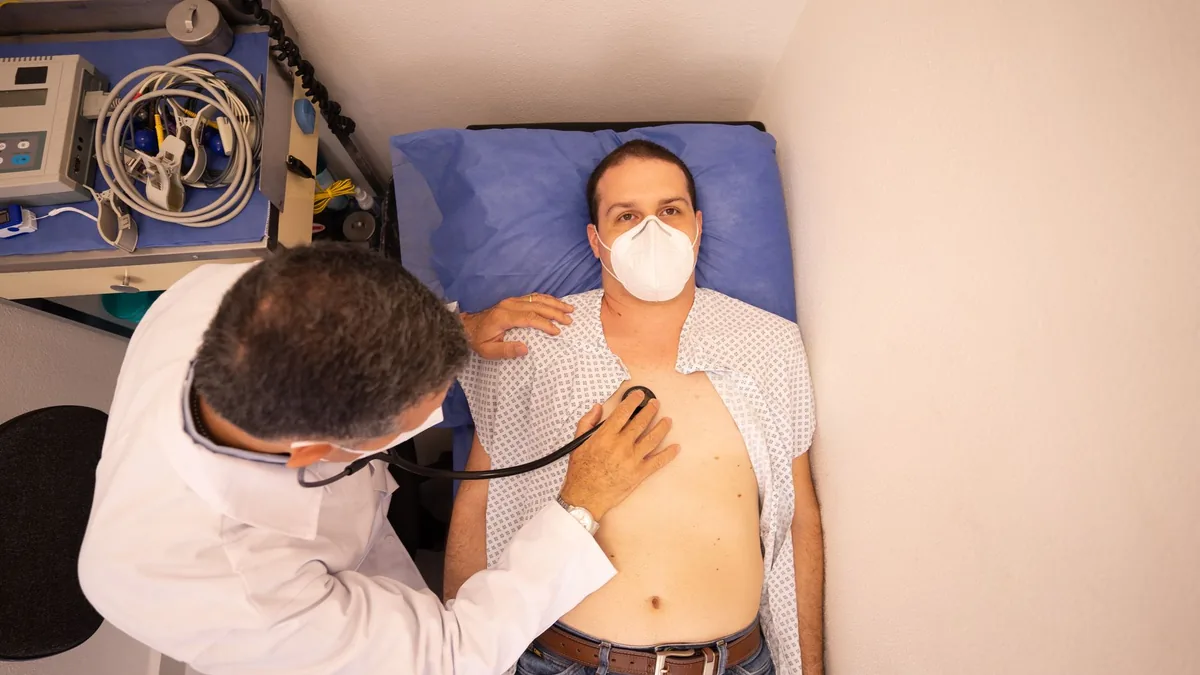
Blog

  • Does a Medical Condition Make You a ‘Public Charge’? Let’s Kill This Myth

    Does a Medical Condition Make You a ‘Public Charge’? Let’s Kill This Myth

    💰 Does a Medical Condition Make You a "Public Charge"? Let's Kill This Myth — Dr. Gurpreet Singh Padda, MD, MBA, MHP

    No. A medical condition does not, by itself, make you a public charge. Medical inadmissibility (being barred for health reasons) is decided by the civil surgeon under the health-related grounds. Public charge is a separate economic determination. The officers who decide make it from the totality of circumstances (your whole situation).

    There’s a stubborn and harmful myth in immigrant communities. It says that having a medical condition automatically makes you a ‘public charge.’ Legally, that’s wrong.

    Is medical inadmissibility the same as public charge?

    Medical inadmissibility is decided under the health-related grounds. That is a short list of specific conditions the civil surgeon checks in the I-693. Public charge is an economic determination, not a health one. Adjudicators (the officers who decide) make it by weighing the totality of circumstances: age, income, family support, education, and more. A chronic (long-term) illness makes you a person with a health history. It does not, by itself, make you a burden on the system.

    Why is the public charge myth harmful to immigrant families?

    Families who believe it hold back health conditions from the civil surgeon. That creates exactly the credibility problems that do put applications at risk. Others put off care for treatable conditions. They fear a diagnosis will end their immigration hopes. Both come from getting the law wrong, and both are worse than the truth.

    Who should I ask about public charge: the civil surgeon or an attorney?

    Bring the medical question to the civil surgeon: which conditions need records and how to show them. Bring the economic question to a licensed immigration attorney: how public charge factors apply to your situation. Public charge policy changes over time. Check current rules with USCIS or your attorney, not community hearsay.

    Related reading: Disclosing Chronic Conditions at the Immigration Exam · USCIS Medical Exam Is Not a Physical: What It Is · I-693 Mental Health Screening Explained · I-693 Immigration Medical Exam Cost — $390 Flat, St. Louis

    Frequently Asked Questions

    Does having a chronic illness make me a public charge?

    No. Public charge is an economic determination. It is based on the totality of circumstances (your whole situation). A medical condition by itself does not make you a public charge.

    Does the civil surgeon evaluate public charge?

    No. The civil surgeon looks only at the health-related grounds in the I-693. Adjudicators decide public charge on their own, as a separate matter.

    Where can I get accurate public charge information?

    From USCIS’s official public charge pages or a licensed immigration attorney. The policy has changed over time. Community rumor is often out of date.

    What factors decide public charge?

    Public charge is an economic determination, not a medical one. Adjudicators weigh the totality of your circumstances. That includes age, income, family support, education and more. A chronic illness makes you a person with a health history. It does not, by itself, make you a burden on the system. Public charge policy changes over time. So check the current rules with USCIS or a licensed immigration attorney.

    Should I leave a health condition off my medical exam because of public charge?

    No. Families who believe the public charge myth often hold back health conditions from the civil surgeon. That creates the credibility problems that do put applications at risk. The civil surgeon looks only at the health-related grounds on the I-693. Tell the civil surgeon the full medical picture. Take the economic question to a licensed immigration attorney.

    Watch the full video above, and explore the rest of the series on our YouTube channel.

    Schedule Your Exam in St. Louis

    Schedule Your Exam  Text (314) 886-5902  Call (314) 960-9100

    Dr. Gurpreet Padda, MD — USCIS-Designated Civil Surgeon (CSID 111051)
    4477 Woodson Rd, Suite 102, St. Louis, MO 63134 — minutes from St. Louis Lambert International Airport
    🌐 ImmigrationExam.us
    🕗 Mon–Wed 8:00am–5:00pm · Thu 8:00am–12:00pm · Closed Friday & federal holidays

    💵 I-693 exam $390 · Follow-up visit $190 · N-648 case review $400 (credited toward evaluation) · N-648 evaluation from $1,400

    This article is educational information about the immigration medical examination process. It is not legal advice and does not create a physician–patient relationship. For legal questions about your case, consult a licensed immigration attorney.

    Medically reviewed by Dr. Gurpreet Singh Padda, MD, MBA, MHP — USCIS-designated civil surgeon (CSID 111051), board certified in Anesthesiology, Pain Medicine, Interventional Pain Management, Addiction Medicine, and Obesity Medicine. Last reviewed September 2026.


  • Hiding a Health Condition Is the Worst Immigration Strategy

    Hiding a Health Condition Is the Worst Immigration Strategy

    When to Disclose Chronic Conditions in your Immigration Exam — Dr. Gurpreet Singh Padda, MD, MBA, MHP

    Tell the civil surgeon about every chronic condition. The conditions applicants fear most are not health-related grounds of inadmissibility under USCIS policy. A hidden condition can later show up on a blood panel. That creates a credibility problem that never needed to exist.

    Diabetes. Hypertension. Autoimmune disease. Many applicants hide them. They think telling will sink their case. That’s exactly backward.

    Should I tell the civil surgeon about a chronic condition?

    A hidden condition is a liability. A condition you disclose, document and manage is just a data point. The USCIS Policy Manual lists the health-related grounds (Volume 8, Part B, Chapter 6). The inadmissible categories are narrow. The chronic conditions applicants fear most aren’t on the list. But when a condition you did not report shows up on a blood panel, you’ve created a credibility problem. It never needed to exist.

    How does a managed, documented condition look to a USCIS reviewer?

    Bring three things: a current medication list, recent labs, and (for complex conditions) a short letter from your treating specialist. The letter confirms the condition is managed. To a reviewer, that package reads as stability and transparency. The same condition with no paperwork reads as an open question. Open questions lead to follow-up requests.

    Transparency Builds a Defensible File

    Every part of your application should tell one story. Disclose it and bring the papers, and a chronic illness becomes a non-issue: reviewed, noted, closed. Hide it, and a manageable fact becomes a complication.

    Related reading: USCIS Medical Exam Is Not a Physical: What It Is · Does a Medical Condition Make You a Public Charge? · I-693 Mental Health Screening Explained · I-693 Immigration Medical Exam Cost — $390 Flat, St. Louis

    Frequently Asked Questions

    Is diabetes or high blood pressure grounds for inadmissibility?

    No. Diabetes, hypertension, and autoimmune disease are common chronic conditions. Under USCIS policy, they are not health-related grounds of inadmissibility.

    What documentation should I bring for a chronic condition?

    A current medication list and recent lab results. Where helpful, add a short letter from your treating physician. It confirms the condition is managed.

    What happens if an undisclosed condition shows up on my labs?

    The finding itself is usually manageable. But your answers and your labs won’t match, and that mismatch creates questions you could have avoided. Disclosure from the start is always the stronger position.

    Should I tell the immigration doctor about my medications?

    Yes. Bring a current medication list to the exam, along with recent labs. A condition that is disclosed, documented and managed is just a data point in your file. To a reviewer, a medication list and recent labs read as stability and transparency. The same condition with no paperwork reads as an open question. Open questions lead to follow-up requests.

    Why does hiding a condition hurt my case more than the condition itself?

    Because the chronic conditions applicants fear most are not on the narrow list of health-related grounds of inadmissibility. Hiding them creates a problem of its own. If a condition you did not report shows up on a blood panel, your answers and your labs no longer match. That credibility problem never needed to exist. Disclose it and bring the papers. Then the condition can be reviewed, noted and closed.

    Watch the full video above, and explore the rest of the series on our YouTube channel.

    Schedule Your Exam in St. Louis

    Schedule Your Exam  Text (314) 886-5902  Call (314) 960-9100

    Dr. Gurpreet Padda, MD — USCIS-Designated Civil Surgeon (CSID 111051)
    4477 Woodson Rd, Suite 102, St. Louis, MO 63134 — minutes from St. Louis Lambert International Airport
    🌐 ImmigrationExam.us
    🕗 Mon–Wed 8:00am–5:00pm · Thu 8:00am–12:00pm · Closed Friday & federal holidays

    💵 I-693 exam $390 · Follow-up visit $190 · N-648 case review $400 (credited toward evaluation) · N-648 evaluation from $1,400

    This article is educational information about the immigration medical examination process. It is not legal advice and does not create a physician–patient relationship. For legal questions about your case, consult a licensed immigration attorney.

    Medically reviewed by Dr. Gurpreet Singh Padda, MD, MBA, MHP — USCIS-designated civil surgeon (CSID 111051), board certified in Anesthesiology, Pain Medicine, Interventional Pain Management, Addiction Medicine, and Obesity Medicine. Last reviewed September 2026.

  • Your Anxiety Is Changing Your I-693 Exam Results — Here’s How to Fix It

    Your Anxiety Is Changing Your I-693 Exam Results — Here’s How to Fix It

    😰 Your Anxiety Is Changing Your I-693 Exam Results — Here's How to Fix It — Dr. Gurpreet Singh Padda, MD, MBA, MHP

    Exam-day anxiety changes your I-693 results. Cortisol and adrenaline (stress hormones) raise blood pressure, heart rate and blood sugar. So the reading taken under stress is not your true baseline. A high reading does not mean denial. That is because hypertension (high blood pressure) is not a ground of inadmissibility.

    Your anxiety isn’t only a feeling. It’s a physiological event (a body event), and it shows up in your numbers.

    Can anxiety raise my blood pressure at the immigration medical exam?

    Applicants walk into the clinic with blood pressure raised purely by the weight of the day. They are sure a high reading means denial. It doesn’t. Hypertension is not a ground of inadmissibility. But acute stress (stress in the moment) truly moves the data. Cortisol and adrenaline raise blood pressure, speed up heart rate, and raise blood sugar. The snapshot taken under stress isn’t your true baseline.

    How can I stay calm before my I-693 exam?

    The goal of preparation is simple. Make exam-day numbers show who you really are. Sleep normally the two nights before. Keep caffeine modest that morning. Arrive early enough that you’re not flooding your body with the adrenaline of running late. In the waiting room, try slow exhale breathing. Breathe out longer than you breathe in. It measurably calms the autonomic stress response (your body’s automatic alarm system) within minutes.

    A Physician’s Perspective

    Dr. Gurpreet Singh Padda, MD, MBA, MHP does civil surgeon work. Alongside it, he practices metabolic and interventional medicine. The pattern is consistent. The applicants with the calmest bodies aren’t the healthiest. They’re the best prepared. Preparation isn’t just a folder of records. It’s a body that shows up at baseline.

    Related reading: USCIS Medical Exam Is Not a Physical: What It Is · TB Testing for the Green Card Exam · I-693 Immigration Medical Exam Cost — $390 Flat, St. Louis

    Frequently Asked Questions

    Will high blood pressure at the exam hurt my application?

    Hypertension is not a ground of inadmissibility. A high stress reading is common and can be repeated. Preparing your body helps the data show your true baseline.

    What should I do the morning of my exam?

    Sleep normally beforehand. Keep caffeine modest. Arrive early. Use slow-exhale breathing while you wait. These simple steps calm the body. That measurably improves readings.

    Does stress affect blood test results too?

    Acute stress can briefly raise blood glucose (blood sugar) and other markers. That is another reason a calm, prepared arrival helps your file.

    Why is my blood pressure higher at the immigration exam than at home?

    Acute stress moves the numbers. On exam day, cortisol and adrenaline raise blood pressure, speed up heart rate and raise blood sugar. So the snapshot taken under stress is not your true baseline. Many applicants arrive with blood pressure raised purely by the weight of the day. Hypertension is not a ground of inadmissibility.

    Should I drink coffee before my I-693 exam?

    Keep caffeine modest that morning. The goal is exam-day numbers that show who you really are. Sleep normally the two nights before. Keep coffee light. Arrive early enough that you are not flooding your body with the adrenaline of running late. Each step helps your readings show your baseline, not your panic.

    What breathing exercise helps before a medical exam?

    Use slow exhale breathing in the waiting room. Breathe out for longer than you breathe in. This measurably calms the autonomic stress response within minutes. Add normal sleep, modest caffeine and an early arrival. Together they help your blood pressure, heart rate and blood sugar readings show your true baseline.

    Watch the full video above, and explore the rest of the series on our YouTube channel.

    Schedule Your Exam in St. Louis

    Schedule Your Exam  Text (314) 886-5902  Call (314) 960-9100

    Dr. Gurpreet Padda, MD — USCIS-Designated Civil Surgeon (CSID 111051)
    4477 Woodson Rd, Suite 102, St. Louis, MO 63134 — minutes from St. Louis Lambert International Airport
    🌐 ImmigrationExam.us
    🕗 Mon–Wed 8:00am–5:00pm · Thu 8:00am–12:00pm · Closed Friday & federal holidays

    💵 I-693 exam $390 · Follow-up visit $190 · N-648 case review $400 (credited toward evaluation) · N-648 evaluation from $1,400

    This article is educational information about the immigration medical examination process. It is not legal advice and does not create a physician–patient relationship. For legal questions about your case, consult a licensed immigration attorney.

    Medically reviewed by Dr. Gurpreet Singh Padda, MD, MBA, MHP — USCIS-designated civil surgeon (CSID 111051), board certified in Anesthesiology, Pain Medicine, Interventional Pain Management, Addiction Medicine, and Obesity Medicine. Last reviewed September 2026.

  • Inside a Real N-648 Evaluation: How We Test Memory in Your Own Language

    Inside a Real N-648 Evaluation: How We Test Memory in Your Own Language

    EP 04 — Inside a Real N-648 Evaluation: How We Test Memory in Your Own Language — Dr. Gurpreet Singh Padda, MD, MBA, MHP

    A real N-648 evaluation has three steps. First, the medical records are reviewed. Next, validated cognitive tests are given in the patient’s own language through an interpreter. Then the physician writes an individualized certification with named instruments and actual scores.

    Will it feel like an interrogation? Will the language barrier make Grandmother look worse than she is? Here’s exactly what happens inside a real N-648 evaluation.

    What happens before the memory test?

    Before the patient is ever tested, the file is reviewed: specialist notes, imaging, hospital stays, medication history. The evaluation confirms and measures what the record suggests. It doesn’t start from a blank page. This is also where families learn, early and honestly, whether the case is strong or weak. They also learn if it is better served by an age exemption or accommodation instead.

    Can the N-648 memory test be done in my own language?

    Validated cognitive instruments (standard memory and thinking tests) are given through an interpreter in the patient’s native language. This matters enormously. Test an elderly Vietnamese speaker in English, and you measure her English, not her memory. Dr. Gurpreet Singh Padda, MD, MBA, MHP is a MoCA-certified cognitive assessment rater. Testing is done so the language barrier never poses as impairment, or hides it.

    What goes into the written N-648 certification?

    The N-648 is completed with named instruments, actual scores, and cited records. It includes an individualized nexus paragraph (the link between the condition and the requirement). It explains precisely how the condition prevents learning English and civics. No boilerplate, no template language. That is because adjudicators recognize both instantly.

    The mood throughout is clinical but humane. It is an assessment, not an interrogation. Families are welcome in the process wherever it helps the patient perform at their true baseline (their normal best).

    Related reading: Dementia, Citizenship and the N-648: A Family Guide · Why USCIS Rejects Most N-648 Disability Waivers · N-648 180-Day Rule: When to Schedule · Form N-648 Disability Waiver Evaluation

    Frequently Asked Questions

    Is the cognitive testing done in English?

    No. Testing is given in the patient’s own language through an interpreter, using validated instruments. So language ability is never confused with cognitive impairment.

    Can family members attend the evaluation?

    Family is welcome where it helps the patient perform at their true baseline. Caregivers often give key history about how the patient manages day to day.

    How long does an N-648 evaluation take?

    Plan for a thorough visit: records review, clinical interview, cognitive testing, and documentation. The case review ($400, credited toward the evaluation) happens first. That way weak cases are found before families spend more.

    What is an N-648 evaluation?

    An N-648 evaluation is the medical assessment behind Form N-648. The physician reviews the medical records. Then he gives validated cognitive tests in the patient’s own language through an interpreter. Last, he writes a certification for that one patient. It names the instruments, reports actual scores, and cites the records. It explains precisely how the condition prevents learning English and civics.

    Will the N-648 evaluation feel like an interrogation?

    No. The mood is clinical but humane. It is an assessment, not an interrogation. Testing is done in the patient’s native language through an interpreter. So the language barrier never poses as impairment. Families are welcome in the process wherever it helps the patient perform at their true baseline.

    What if my parent’s N-648 case is weak?

    You find out early. The records are reviewed before any testing. That is where families learn honestly whether the case is strong or weak, or better served by an age exemption or accommodation instead. The case review costs $400 and is credited toward the evaluation. So weak cases are found before families spend more.

    Who performs the N-648 memory testing?

    Dr. Gurpreet Singh Padda, MD, MBA, MHP, a MoCA-certified cognitive assessment rater, does the evaluation at our St. Louis office. Validated cognitive instruments are given through an interpreter in the patient’s native language. So the results measure memory, not English. He then writes the certification with named instruments and actual scores. There is no boilerplate or template language.

    Watch the full video above, and explore the rest of the series on our YouTube channel.

    Schedule Your Exam in St. Louis

    Schedule Your Exam  Text (314) 886-5902  Call (314) 960-9100

    Dr. Gurpreet Padda, MD — USCIS-Designated Civil Surgeon (CSID 111051)
    4477 Woodson Rd, Suite 102, St. Louis, MO 63134 — minutes from St. Louis Lambert International Airport
    🌐 ImmigrationExam.us
    🕗 Mon–Wed 8:00am–5:00pm · Thu 8:00am–12:00pm · Closed Friday & federal holidays

    💵 I-693 exam $390 · Follow-up visit $190 · N-648 case review $400 (credited toward evaluation) · N-648 evaluation from $1,400

    This article is educational information about the immigration medical examination process. It is not legal advice and does not create a physician–patient relationship. For legal questions about your case, consult a licensed immigration attorney.

    Medically reviewed by Dr. Gurpreet Singh Padda, MD, MBA, MHP — USCIS-designated civil surgeon (CSID 111051), board certified in Anesthesiology, Pain Medicine, Interventional Pain Management, Addiction Medicine, and Obesity Medicine. Last reviewed September 2026.

  • TB Testing Is Where Green Card Exams Stall — Don’t Walk In Blind

    TB Testing Is Where Green Card Exams Stall — Don’t Walk In Blind

    🫁 TB Testing Is Where Green Card Exams Stall — Don't Walk In Blind — Dr. Gurpreet Singh Padda, MD, MBA, MHP

    TB testing stalls the green card medical exam when an applicant arrives without their history. A past positive with no records restarts testing, imaging and paperwork. The IGRA blood test is the I-693 screening standard. A chest X-ray follows a positive screen to rule out active disease.

    Want to know why immigration exams get stalled? Look at tuberculosis testing. It’s the #1 bottleneck, and it’s almost entirely preventable.

    Which TB tests are used for the immigration medical exam?

    The old skin test (TST), the IGRA blood test, and the chest X-ray are not interchangeable. The IGRA is the screening standard for the I-693. The chest X-ray is the follow-up. It rules out active disease after a positive screen. A positive skin test from years ago may simply reflect BCG vaccination (a TB vaccine) or old exposure, not infection. Know which result you have and what it means. That is the difference between a one-visit exam and a six-week loop.

    What happens if I tested positive for TB before?

    Arrive without your history, and a past positive result restarts everything. New testing, new imaging, new paperwork, new waiting. Now arrive with the right records. That means past test results with dates, past chest X-ray reports, and records showing you finished latent TB treatment. Then a past positive can often be closed in a single visit.

    What TB records should I bring to my exam?

    Before booking, know your BCG history. Find any past TB test results. Pull imaging reports if you’ve ever had a chest X-ray for TB. Gather treatment records if you finished therapy. When imaging is required, our office sets up the prepaid chest X-ray directly. So radiology never becomes your scheduling problem.

    Related reading: TB Testing and Treatment in the I-693 Exam · TB Screening in the Immigration Medical Exam · Anxiety and Your I-693 Exam Results · I-693 Immigration Medical Exam Cost — $390 Flat, St. Louis

    Frequently Asked Questions

    What’s the difference between the TB skin test and the IGRA?

    The IGRA blood test is more specific. It is not thrown off by BCG vaccination. That is why it’s the standard screen for the I-693. The old skin test often gave false positives in applicants who had the BCG vaccine.

    I tested positive for TB years ago. Will I be delayed?

    Not necessarily. Bring your records: past results, imaging reports, and treatment records. With them, a past positive can often be resolved in a single visit.

    Who arranges the chest X-ray if I need one?

    We set up a prepaid chest X-ray. We put the radiology report into your sealed I-693 directly.

    Why do I need a chest X-ray after a positive TB test?

    The IGRA blood test is the screening standard for the I-693. When the screen is positive, the chest X-ray is the follow-up that rules out active disease. The two tests do different jobs. They are not interchangeable. When imaging is required, our office sets up the chest X-ray directly. So radiology never becomes your scheduling problem.

    Can the BCG vaccine cause a positive TB test?

    A positive skin test from years ago may simply reflect BCG vaccination or old exposure, not infection. That is why the IGRA blood test is the standard screen for the I-693. It is not thrown off by BCG vaccination. Know your BCG history before you book. Bring any past TB test results with dates.

    How long does TB clearance take for the green card exam?

    It depends on what you bring. Arrive without your history, and a past positive result restarts testing, imaging, paperwork and waiting. That can turn into a six-week loop. Arrive with past results, past chest X-ray reports and treatment records. Then a past positive can often be closed in a single visit.

    Watch the full video above, and explore the rest of the series on our YouTube channel.

    Schedule Your Exam in St. Louis

    Schedule Your Exam  Text (314) 886-5902  Call (314) 960-9100

    Dr. Gurpreet Padda, MD — USCIS-Designated Civil Surgeon (CSID 111051)
    4477 Woodson Rd, Suite 102, St. Louis, MO 63134 — minutes from St. Louis Lambert International Airport
    🌐 ImmigrationExam.us
    🕗 Mon–Wed 8:00am–5:00pm · Thu 8:00am–12:00pm · Closed Friday & federal holidays

    💵 I-693 exam $390 · Follow-up visit $190 · N-648 case review $400 (credited toward evaluation) · N-648 evaluation from $1,400

    This article is educational information about the immigration medical examination process. It is not legal advice and does not create a physician–patient relationship. For legal questions about your case, consult a licensed immigration attorney.

    Medically reviewed by Dr. Gurpreet Singh Padda, MD, MBA, MHP — USCIS-designated civil surgeon (CSID 111051), board certified in Anesthesiology, Pain Medicine, Interventional Pain Management, Addiction Medicine, and Obesity Medicine. Last reviewed September 2026.
  • The #1 Cause of I-693 Delays: Vaccination Gaps (Fix Them Before You Book)

    The #1 Cause of I-693 Delays: Vaccination Gaps (Fix Them Before You Book)

    The #1 Cause of I-693 Delays (Fix It Before You Book) — Dr. Gurpreet Singh Padda, MD, MBA, MHP

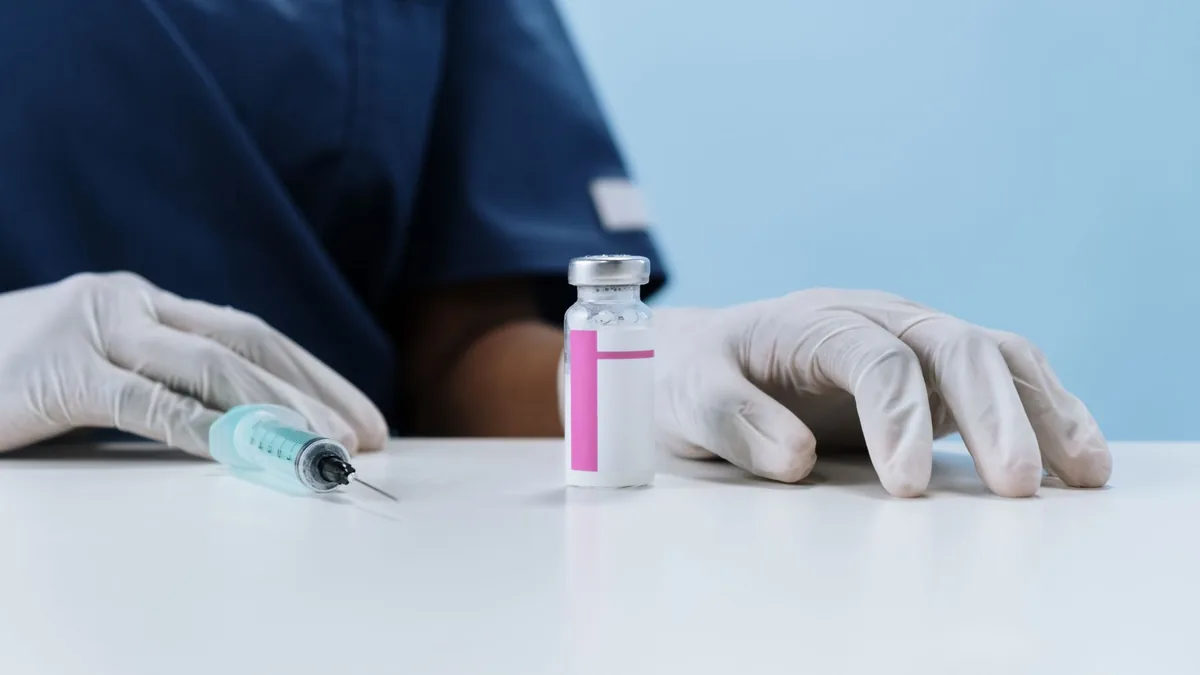
    Vaccination gaps are the most common cause of delay in the immigration medical exam. They are also the most preventable. The fix happens before you ever book.

    Why aren’t my routine adult vaccines enough for immigration?

    Most people assume they’re “up to date” because of a physical last year or their childhood shots. But the CDC immunization requirements for immigration are their own standard. They are specific and absolute. They get updated from time to time. Requirements people commonly miss include these. Tdap (not just an old tetanus shot). Varicella. Polio, which since May 1, 2024 applies to adults who cannot document a complete childhood series. And hepatitis B, required through age 59 since April 2022.

    Do I have to repeat vaccines if I have records?

    Here’s the part that saves money and needles. A documented dose counts; a remembered dose doesn’t. Records in any language are acceptable. Before booking, gather every vaccine record you can find. That means childhood cards, school records, employer health files, pharmacy printouts, and records from your home country. What you can document, you don’t repeat.

    How do I check my vaccine records before I book?

    Line your records up against the current CDC Technical Instructions for civil surgeons (the vaccine section is public). Note the real gaps. Then book. Either fill the gaps first with your own provider, or plan to finish them at the exam. People who do this check routinely turn a multi-visit process into a single appointment.

    Related reading: I-693 Foreign Vaccination Records · Organize Medical Records for Your I-693

    Frequently Asked Questions

    Which vaccines do immigration applicants most often miss?

    Tdap and varicella are the ones most commonly missed. Two adult rules trip people up. The first is polio. Since May 1, 2024 it applies at any age. The exception is when a complete series is documented. The other is hepatitis B, required through age 59. See the age-by-age vaccine requirements.

    Are vaccine records from another country acceptable?

    Yes. Written records in any language are accepted as evidence of vaccination. Documented doses do not need to be repeated.

    Can I get missing vaccines at the exam?

    Missing vaccines can typically be given or set up during the process. But coming with complete records is always faster and cheaper.

    Do I need the hepatitis B vaccine for a green card?

    Yes, if you are in the age range. Hepatitis B has been required through age 59 since April 2022. It is one that people most often miss. If you already had the series, bring the written record. A documented dose counts and does not need to be repeated. A dose you only remember does not count.

    Do adults need the polio vaccine for the immigration exam?

    Since May 1, 2024, the polio requirement applies to adults who cannot document a complete childhood series. Do you have a record showing the full series? It could be your childhood vaccine card, a school record, or a record from your home country. Bring it. Records in any language are acceptable. What you can document, you do not repeat.

    What counts as proof of vaccination for the I-693?

    Written records count. Gather childhood vaccine cards, school records, employer health files, pharmacy printouts and records from your home country. Records in any language are acceptable. A documented dose counts toward the requirement. A remembered dose does not. Bring every record you can find to the exam. That way, doses on paper are not given again.

    Can missing vaccines delay my green card medical exam?

    Yes. Vaccination gaps are the most common cause of delay in the immigration medical exam. They are also the most preventable. Before you book, line your records up against the CDC Technical Instructions. Note the real gaps. Then fill them with your own provider, or plan to finish them at the exam. That check routinely turns a multi-visit process into one appointment.

    Watch the full video above, and explore the rest of the series on our YouTube channel.

    Schedule Your Exam in St. Louis

    Schedule Your Exam  Text (314) 886-5902  Call (314) 960-9100

    Dr. Gurpreet Padda, MD — USCIS-Designated Civil Surgeon (CSID 111051)
    4477 Woodson Rd, Suite 102, St. Louis, MO 63134 — minutes from St. Louis Lambert International Airport
    🌐 ImmigrationExam.us
    🕗 Mon–Wed 8:00am–5:00pm · Thu 8:00am–12:00pm · Closed Friday & federal holidays

    💵 I-693 exam $390 · Follow-up visit $190 · N-648 case review $400 (credited toward evaluation) · N-648 evaluation from $1,400

    This article is educational information about the immigration medical examination process. It is not legal advice and does not create a physician–patient relationship. For legal questions about your case, consult a licensed immigration attorney.

    Medically reviewed by Dr. Gurpreet Singh Padda, MD, MBA, MHP — USCIS-designated civil surgeon (CSID 111051), board certified in Anesthesiology, Pain Medicine, Interventional Pain Management, Addiction Medicine, and Obesity Medicine. Last reviewed September 2026.
  • Why Your Civil Surgeon Seems ‘Cold’ — and Why That Protects You

    Why Your Civil Surgeon Seems ‘Cold’ — and Why That Protects You

    Why Your Civil Surgeon Seems "Cold" ⚖️ (And Why That Protects You) — Dr. Gurpreet Singh Padda, MD, MBA, MHP

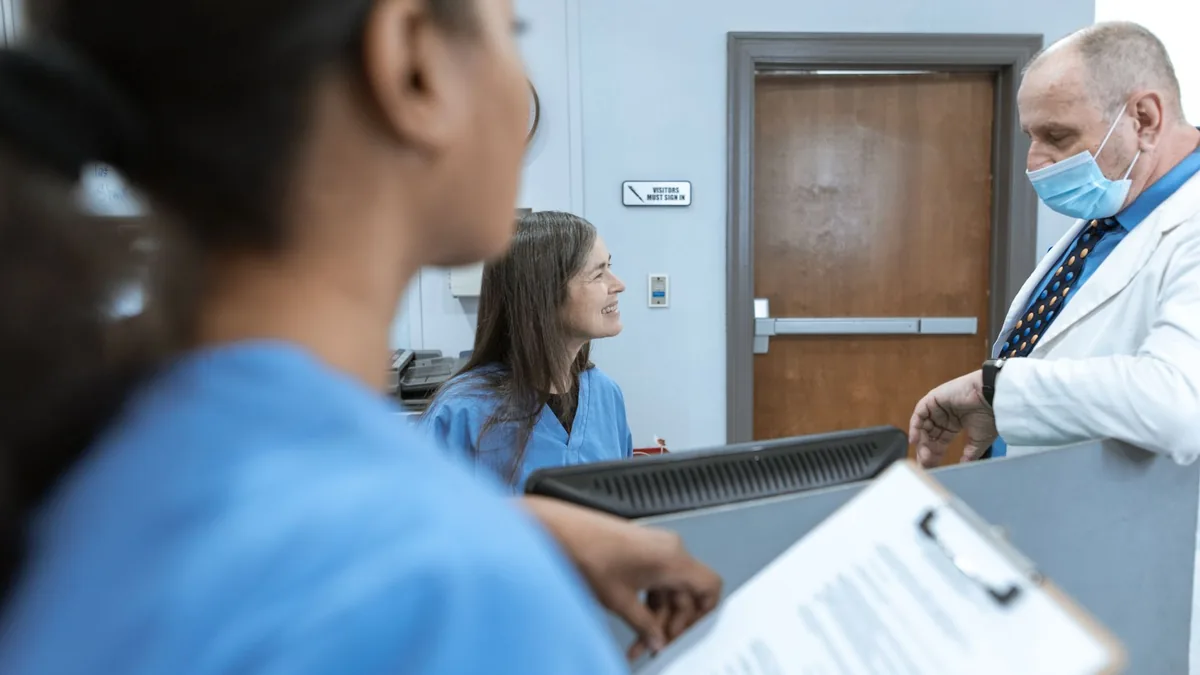
    Your civil surgeon seems cold for a reason. A civil surgeon is designated by USCIS to verify medical facts for the government. The job is not to act as your personal doctor. That neutrality is what makes adjudicators (the USCIS officers who decide your case) trust the form the civil surgeon signs. So a detached exam protects your filing.

    You’re the patient. But the U.S. government is the client. That’s the paradox at the center of every immigration medical exam. It is the hardest thing for applicants to accept.

    Who does a civil surgeon work for?

    Your own doctor works for you: your comfort, your outcomes, your story. A civil surgeon is designated by USCIS to verify facts for the government. When you walk into a civil surgeon’s office, the professional loyalty in the room shifts. It does not shift against you. It shifts toward the accuracy of a federal document. If the visit feels detached, that isn’t indifference to you as a person. It’s indifference to everything that doesn’t affect your filing.

    Why does the civil surgeon seem so detached?

    An objective examiner produces a document adjudicators trust. A civil surgeon known for precision and neutrality lends that trust to every form they sign. That includes yours. The opposite is also true. Some examiners are seen as advocates or rubber stamps. They invite a closer look at every applicant who walks through their doors.

    How should I answer the civil surgeon’s questions?

    Answer questions directly. Don’t over-explain. Don’t add opinions. Don’t try to “sell” your history. The law doesn’t want your story; it wants your data. Over-explaining creates noise, and noise creates follow-up questions. The best exam is one where every answer is accurate and complete. Each answer is exactly as long as it needs to be.

    Related reading: USCIS Medical Exam Is Not a Physical: What It Is · Organize Medical Records for Your I-693 · I-693 Immigration Medical Exam Cost — $390 Flat, St. Louis

    Frequently Asked Questions

    Is the civil surgeon working for me or for USCIS?

    The civil surgeon is designated by USCIS. The job is to verify medical facts for the government. Your own physician is still your advocate for health care choices.

    Should I explain the background behind my medical history?

    Answer questions accurately and directly. Long stories add noise. They do not help. The form requires data, not context.

    Does a detached exam mean something is wrong with my case?

    No. Professional neutrality is what makes adjudicators trust the certification. It protects your filing.

    What is a civil surgeon?

    A civil surgeon is a physician designated by USCIS. The civil surgeon performs the immigration medical exam. They verify medical facts for the government on Form I-693. Dr. Gurpreet Singh Padda, MD, MBA, MHP, is the USCIS-designated civil surgeon (CSID 111051) at 4477 Woodson Rd in St. Louis. His job at the exam is to produce an accurate federal document. It is not to manage your ongoing health care.

    Is a civil surgeon the same as a regular doctor?

    No. Your own doctor works for you: your comfort, your outcomes, your story. A civil surgeon is designated by USCIS to verify facts for the government. So the professional loyalty in the room shifts toward the accuracy of a federal document. That is why the visit can feel detached. It is not indifference to you as a person.

    How much is a civil surgeon visit?

    At our St. Louis office the I-693 immigration medical exam is a flat $390. A follow-up visit is $190. The fees are listed in the contact box on this page. To book your exam with Dr. Padda, you can schedule online, call (314) 960-9100, or text (314) 886-5902.

    Watch the full video above, and explore the rest of the series on our YouTube channel.

    Schedule Your Exam in St. Louis

    Schedule Your Exam  Text (314) 886-5902  Call (314) 960-9100

    Dr. Gurpreet Padda, MD — USCIS-Designated Civil Surgeon (CSID 111051)
    4477 Woodson Rd, Suite 102, St. Louis, MO 63134 — minutes from St. Louis Lambert International Airport
    🌐 ImmigrationExam.us
    🕗 Mon–Wed 8:00am–5:00pm · Thu 8:00am–12:00pm · Closed Friday & federal holidays

    💵 I-693 exam $390 · Follow-up visit $190 · N-648 case review $400 (credited toward evaluation) · N-648 evaluation from $1,400

    This article is educational information about the immigration medical examination process. It is not legal advice and does not create a physician–patient relationship. For legal questions about your case, consult a licensed immigration attorney.

    Medically reviewed by Dr. Gurpreet Singh Padda, MD, MBA, MHP — USCIS-designated civil surgeon (CSID 111051), board certified in Anesthesiology, Pain Medicine, Interventional Pain Management, Addiction Medicine, and Obesity Medicine. Last reviewed September 2026.

  • The N-648 Evidence Checklist: Gather These Medical Records Before You Apply

    The N-648 Evidence Checklist: Gather These Medical Records Before You Apply

    EP 03 — Gather These Records Before You Apply: The N-648 Evidence Checklist — Dr. Gurpreet Singh Padda, MD, MBA, MHP

    Before an N-648 evaluation, gather diagnosis documentation, brain imaging and lab reports, and current medication lists. Also gather functional evidence (how the person copes day to day), such as caregiver notes or past cognitive testing. Records from other countries count too.

    The strongest N-648 begins at your kitchen table, with a folder. A disability waiver stands or falls on medical evidence. Gather it before you book anything.

    The Core Checklist

    Diagnosis documentation: clinic notes, hospital discharge summaries, and neurology or psychiatry consultations. They should name the condition and the dates. Imaging and labs: brain imaging reports (CT/MRI) for stroke or dementia, and related lab results. Medication history: current medication lists that show treatment for the qualifying condition. Functional evidence: home health assessments, caregiver documentation, and past cognitive testing if any exists.

    Records From Other Countries Count

    Many families assume foreign records are useless. Wrong. Take a hospital record from Bosnia, Vietnam, or Mexico that documents a stroke or the early course of dementia. It establishes the timeline: how long the condition has existed. That speaks directly to the 12-month duration requirement. Have them translated. Even partial records help.

    How do you request medical records for an N-648?

    Call each clinic’s medical records office. Ask for records under HIPAA (the federal health privacy law). Providers must give them to the patient or an authorized representative. Ask for visit notes, imaging reports (not just discs), and problem lists. Allow two to three weeks. Bring everything to the evaluation. A physician who reviews a documented history writes a categorically stronger certification than one working from a single visit.

    Related reading: Dementia, Citizenship and the N-648: A Family Guide · N-648 Disability Waiver for the Citizenship Test · Form N-648 Disability Waiver Evaluation

    Frequently Asked Questions

    What records matter most for an N-648?

    Documentation that establishes the diagnosis, how long it has lasted, and how it affects daily life. That means specialist notes, imaging reports, hospital summaries, medication lists, and any past cognitive testing.

    Do medical records from outside the U.S. help?

    Yes. Foreign records establish how long the condition has existed. That supports the 12-month duration requirement. Translation is recommended.

    How do I request records from a clinic?

    Call the medical records office. Ask for them under HIPAA as the patient or authorized representative. Ask for visit notes, imaging reports, and problem lists by name.

    Watch the full video above, and explore the rest of the series on our YouTube channel.

    Schedule Your Exam in St. Louis

    Schedule Your Exam  Text (314) 886-5902  Call (314) 960-9100

    Dr. Gurpreet Padda, MD — USCIS-Designated Civil Surgeon (CSID 111051)
    4477 Woodson Rd, Suite 102, St. Louis, MO 63134 — minutes from St. Louis Lambert International Airport
    🌐 ImmigrationExam.us
    🕗 Mon–Wed 8:00am–5:00pm · Thu 8:00am–12:00pm · Closed Friday & federal holidays

    💵 I-693 exam $390 · Follow-up visit $190 · N-648 case review $400 (credited toward evaluation) · N-648 evaluation from $1,400

    This article is educational information about the immigration medical examination process. It is not legal advice and does not create a physician–patient relationship. For legal questions about your case, consult a licensed immigration attorney.

    Medically reviewed by Dr. Gurpreet Singh Padda, MD, MBA, MHP — USCIS-designated civil surgeon (CSID 111051), board certified in Anesthesiology, Pain Medicine, Interventional Pain Management, Addiction Medicine, and Obesity Medicine. Last reviewed September 2026.
  • Your USCIS Medical Exam Is Not a Physical — Here’s What It Actually Is

    Your USCIS Medical Exam Is Not a Physical — Here’s What It Actually Is

    Your USCIS Medical Exam Is Not a Physical 🛂 Here's What It Actually Is — Dr. Gurpreet Singh Padda, MD, MBA, MHP

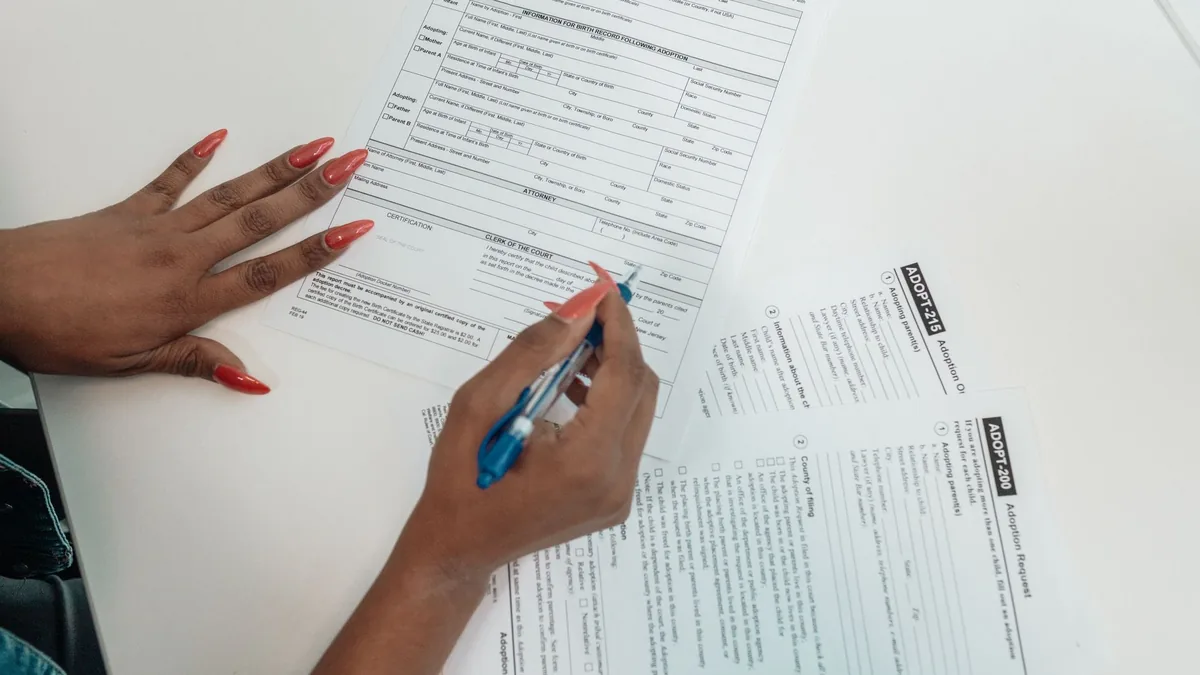
    The USCIS medical exam (Form I-693) is not a physical. It screens only for a short list of conditions. Federal immigration law sets that list. It covers certain communicable diseases (diseases that spread), vaccination compliance, mental health conditions associated with harmful behavior, and substance abuse. Your general health is not being judged. That includes high blood pressure, diabetes or arthritis.

    You’re anxious because you think the government is judging your health. It isn’t. Once you see what the I-693 exam really is, and is not, the fear falls apart.

    A Compliance Filing, Not a Health Verdict

    The single biggest cause of needless fear in the immigration medical exam is a mix-up. People confuse a primary care visit with a USCIS compliance filing. They are not the same. Your personal doctor is on your side. A civil surgeon is a checker. The I-693 screens for a short, specific list of conditions. Federal law defines that list. It covers certain communicable diseases, vaccination compliance, mental health conditions associated with harmful behavior, and substance abuse. Nothing else is being checked.

    What does “inadmissible health condition” really mean?

    Under the USCIS Policy Manual (Volume 8, Part B), health-related inadmissibility is narrow. Most of it can be resolved. High blood pressure isn’t on the list. Diabetes isn’t on the list. Arthritis, high cholesterol, old injuries: none of it. Applicants routinely fear conditions the law does not care about. Meanwhile they miss the documentation the law really requires.

    Lower the Expectations, Raise the Certainty

    Don’t come expecting a caring talk about your overall health. That’s what your own physician is for. Mixing the two creates friction and delay. Come expecting a precise, respectful, well-run compliance process. Your ID is checked. Your history is reviewed. Required tests are ordered. The form is completed and sealed correctly. That’s what a high-quality civil surgeon visit looks like. And it’s exactly what protects your application.

    Related reading: I-693 Exam: What St. Louis Applicants Must Know · Disclosing Chronic Conditions at the Immigration Exam · Civil Surgeon Objectivity: Why the Exam Feels Cold · I-693 Immigration Medical Exam Cost — $390 Flat, St. Louis

    Frequently Asked Questions

    Will the civil surgeon evaluate my general health?

    No. The I-693 screens only for conditions named by immigration law. Your general health is not judged. No health advice is part of the filing.

    Can common conditions like high blood pressure fail the exam?

    No. Chronic (long-term) conditions like hypertension, diabetes, or arthritis are not health-related grounds of inadmissibility.

    Why does the exam feel so impersonal?

    Because it’s a checking process, not a care visit. That discipline is what keeps your filing clean. Your own doctor is still the right person for health advice.

    Watch the full video above, and explore the rest of the series on our YouTube channel.

    Schedule Your Exam in St. Louis

    Schedule Your Exam  Text (314) 886-5902  Call (314) 960-9100

    Dr. Gurpreet Padda, MD — USCIS-Designated Civil Surgeon (CSID 111051)
    4477 Woodson Rd, Suite 102, St. Louis, MO 63134 — minutes from St. Louis Lambert International Airport
    🌐 ImmigrationExam.us
    🕗 Mon–Wed 8:00am–5:00pm · Thu 8:00am–12:00pm · Closed Friday & federal holidays

    💵 I-693 exam $390 · Follow-up visit $190 · N-648 case review $400 (credited toward evaluation) · N-648 evaluation from $1,400

    This article is educational information about the immigration medical examination process. It is not legal advice and does not create a physician–patient relationship. For legal questions about your case, consult a licensed immigration attorney.

    Medically reviewed by Dr. Gurpreet Singh Padda, MD, MBA, MHP — USCIS-designated civil surgeon (CSID 111051), board certified in Anesthesiology, Pain Medicine, Interventional Pain Management, Addiction Medicine, and Obesity Medicine. Last reviewed September 2026.

  • Why USCIS Rejects Most N-648 Disability Waivers: The 5 Mistakes That Sink the Form

    Why USCIS Rejects Most N-648 Disability Waivers: The 5 Mistakes That Sink the Form

    EP 02 — Why USCIS Rejects Most Disability Waivers: The 5 Mistakes That Sink Form N-648 — Dr. Gurpreet Singh Padda, MD, MBA, MHP

    USCIS rejects most N-648 forms for five preventable mistakes. There is no nexus (link) between the diagnosis and the inability to learn. Medical evidence is absent. There is no objective cognitive testing. The language is boilerplate. And the form does not match the rest of the application.

    The envelope comes back stamped “insufficient.” Months lost, money wasted, and the next try under a microscope. Every one of those five mistakes is preventable.

    The Five Fatal Errors

    1. The missing nexus. The form names a diagnosis. But it never explains how that diagnosis prevents learning English or civics. USCIS officers are told outright to look for this cause-and-effect explanation. A diagnosis without a nexus is a form without a spine.

    2. Absent medical evidence. The certification rests on a single talk. No records were reviewed. No imaging, no prior papers. The officer sees a conclusion with nothing underneath it.

    3. No objective testing. “Patient appears confused” is an observation. A validated cognitive assessment score is evidence, when given in the patient’s own language through an interpreter. The difference decides cases.

    4. Boilerplate language. Sometimes a physician’s forms all read the same across different patients. The officers who decide cases notice. Whole practices have had their certifications discounted for it. Every N-648 must be written for that one person.

    5. Internal inconsistency. Picture a form that says the applicant cannot learn. It is filed with a naturalization application. Yet the same applicant apparently filled out and understood that application. That raises questions. The whole file must tell one coherent story.

    What does a defensible N-648 look like?

    Records reviewed and cited. Objective cognitive testing with named tests and scores. A nexus paragraph written in specific language about that one person. A match with the rest of the application. That’s the standard we build to in every evaluation. That is because the family only gets so many attempts before scrutiny piles up.

    Related reading: How to Spot an N-648 Mill: 5 Red Flags · What Happens in an N-648 Evaluation · I-693 Exam Money-Back Guarantee in St. Louis · Form N-648 Disability Waiver Evaluation

    Frequently Asked Questions

    What does ‘insufficient’ mean on a returned N-648?

    USCIS decided the certification fell short. It did not adequately establish the diagnosis, the functional impairment, or the causal link between them. The applicant may typically be rescheduled for testing or submit a corrected form.

    Can we file a second N-648 after a rejection?

    Often yes. But later attempts get closer scrutiny. That is why the second form must be substantially stronger, with objective testing and documented evidence. It cannot merely be sent in again.

    What is the ‘nexus’ on Form N-648?

    It is the clear, spelled-out medical explanation of how the diagnosed condition prevents the applicant from learning or showing English and civics knowledge. Its absence is the most common reason for rejection.

    Watch the full video above, and explore the rest of the series on our YouTube channel.

    Schedule Your Exam in St. Louis

    Schedule Your Exam  Text (314) 886-5902  Call (314) 960-9100

    Dr. Gurpreet Padda, MD — USCIS-Designated Civil Surgeon (CSID 111051)
    4477 Woodson Rd, Suite 102, St. Louis, MO 63134 — minutes from St. Louis Lambert International Airport
    🌐 ImmigrationExam.us
    🕗 Mon–Wed 8:00am–5:00pm · Thu 8:00am–12:00pm · Closed Friday & federal holidays

    💵 I-693 exam $390 · Follow-up visit $190 · N-648 case review $400 (credited toward evaluation) · N-648 evaluation from $1,400

    This article is educational information about the immigration medical examination process. It is not legal advice and does not create a physician–patient relationship. For legal questions about your case, consult a licensed immigration attorney.

    Medically reviewed by Dr. Gurpreet Singh Padda, MD, MBA, MHP — USCIS-designated civil surgeon (CSID 111051), board certified in Anesthesiology, Pain Medicine, Interventional Pain Management, Addiction Medicine, and Obesity Medicine. Last reviewed September 2026.