

Tag: green card

  • TB Testing Is Where Green Card Exams Stall — Don’t Walk In Blind

    TB Testing Is Where Green Card Exams Stall — Don’t Walk In Blind

    🫁 TB Testing Is Where Green Card Exams Stall — Don't Walk In Blind — Dr. Gurpreet Singh Padda, MD, MBA, MHP

    TB testing stalls the green card medical exam when an applicant arrives without their history. A past positive with no records restarts testing, imaging and paperwork. The IGRA blood test is the I-693 screening standard. A chest X-ray follows a positive screen to rule out active disease.

    Want to know why immigration exams get stalled? Look at tuberculosis testing. It’s the #1 bottleneck, and it’s almost entirely preventable.

    Which TB tests are used for the immigration medical exam?

    The old skin test (TST), the IGRA blood test, and the chest X-ray are not interchangeable. The IGRA is the screening standard for the I-693. The chest X-ray is the follow-up. It rules out active disease after a positive screen. A positive skin test from years ago may simply reflect BCG vaccination (a TB vaccine) or old exposure, not infection. Know which result you have and what it means. That is the difference between a one-visit exam and a six-week loop.

    What happens if I tested positive for TB before?

    Arrive without your history, and a past positive result restarts everything. New testing, new imaging, new paperwork, new waiting. Now arrive with the right records. That means past test results with dates, past chest X-ray reports, and records showing you finished latent TB treatment. Then a past positive can often be closed in a single visit.

    What TB records should I bring to my exam?

    Before booking, know your BCG history. Find any past TB test results. Pull imaging reports if you’ve ever had a chest X-ray for TB. Gather treatment records if you finished therapy. When imaging is required, our office sets up the prepaid chest X-ray directly. So radiology never becomes your scheduling problem.

    Related reading: TB Testing and Treatment in the I-693 Exam · TB Screening in the Immigration Medical Exam · Anxiety and Your I-693 Exam Results · I-693 Immigration Medical Exam Cost — $390 Flat, St. Louis

    Frequently Asked Questions

    What’s the difference between the TB skin test and the IGRA?

    The IGRA blood test is more specific. It is not thrown off by BCG vaccination. That is why it’s the standard screen for the I-693. The old skin test often gave false positives in applicants who had the BCG vaccine.

    I tested positive for TB years ago. Will I be delayed?

    Not necessarily. Bring your records: past results, imaging reports, and treatment records. With them, a past positive can often be resolved in a single visit.

    Who arranges the chest X-ray if I need one?

    We set up a prepaid chest X-ray. We put the radiology report into your sealed I-693 directly.

    Why do I need a chest X-ray after a positive TB test?

    The IGRA blood test is the screening standard for the I-693. When the screen is positive, the chest X-ray is the follow-up that rules out active disease. The two tests do different jobs. They are not interchangeable. When imaging is required, our office sets up the chest X-ray directly. So radiology never becomes your scheduling problem.

    Can the BCG vaccine cause a positive TB test?

    A positive skin test from years ago may simply reflect BCG vaccination or old exposure, not infection. That is why the IGRA blood test is the standard screen for the I-693. It is not thrown off by BCG vaccination. Know your BCG history before you book. Bring any past TB test results with dates.

    How long does TB clearance take for the green card exam?

    It depends on what you bring. Arrive without your history, and a past positive result restarts testing, imaging, paperwork and waiting. That can turn into a six-week loop. Arrive with past results, past chest X-ray reports and treatment records. Then a past positive can often be closed in a single visit.

    Watch the full video above, and explore the rest of the series on our YouTube channel.

    Schedule Your Exam in St. Louis

    Schedule Your Exam  Text (314) 886-5902  Call (314) 960-9100

    Dr. Gurpreet Padda, MD — USCIS-Designated Civil Surgeon (CSID 111051)
    4477 Woodson Rd, Suite 102, St. Louis, MO 63134 — minutes from St. Louis Lambert International Airport
    🌐 ImmigrationExam.us
    🕗 Mon–Wed 8:00am–5:00pm · Thu 8:00am–12:00pm · Closed Friday & federal holidays

    💵 I-693 exam $390 · Follow-up visit $190 · N-648 case review $400 (credited toward evaluation) · N-648 evaluation from $1,400

    This article is educational information about the immigration medical examination process. It is not legal advice and does not create a physician–patient relationship. For legal questions about your case, consult a licensed immigration attorney.

    Medically reviewed by Dr. Gurpreet Singh Padda, MD, MBA, MHP — USCIS-designated civil surgeon (CSID 111051), board certified in Anesthesiology, Pain Medicine, Interventional Pain Management, Addiction Medicine, and Obesity Medicine. Last reviewed September 2026.


  • Your USCIS Medical Exam Is Not a Physical — Here’s What It Actually Is

    Your USCIS Medical Exam Is Not a Physical — Here’s What It Actually Is

    Your USCIS Medical Exam Is Not a Physical 🛂 Here's What It Actually Is — Dr. Gurpreet Singh Padda, MD, MBA, MHP

    The USCIS medical exam (Form I-693) is not a physical. It screens only for a short list of conditions. Federal immigration law sets that list. It covers certain communicable diseases (diseases that spread), vaccination compliance, mental health conditions associated with harmful behavior, and substance abuse. Your general health is not being judged. That includes high blood pressure, diabetes or arthritis.

    You’re anxious because you think the government is judging your health. It isn’t. Once you see what the I-693 exam really is, and is not, the fear falls apart.

    A Compliance Filing, Not a Health Verdict

    The single biggest cause of needless fear in the immigration medical exam is a mix-up. People confuse a primary care visit with a USCIS compliance filing. They are not the same. Your personal doctor is on your side. A civil surgeon is a checker. The I-693 screens for a short, specific list of conditions. Federal law defines that list. It covers certain communicable diseases, vaccination compliance, mental health conditions associated with harmful behavior, and substance abuse. Nothing else is being checked.

    What does “inadmissible health condition” really mean?

    Under the USCIS Policy Manual (Volume 8, Part B), health-related inadmissibility is narrow. Most of it can be resolved. High blood pressure isn’t on the list. Diabetes isn’t on the list. Arthritis, high cholesterol, old injuries: none of it. Applicants routinely fear conditions the law does not care about. Meanwhile they miss the documentation the law really requires.

    Lower the Expectations, Raise the Certainty

    Don’t come expecting a caring talk about your overall health. That’s what your own physician is for. Mixing the two creates friction and delay. Come expecting a precise, respectful, well-run compliance process. Your ID is checked. Your history is reviewed. Required tests are ordered. The form is completed and sealed correctly. That’s what a high-quality civil surgeon visit looks like. And it’s exactly what protects your application.

    Related reading: I-693 Exam: What St. Louis Applicants Must Know · Disclosing Chronic Conditions at the Immigration Exam · Civil Surgeon Objectivity: Why the Exam Feels Cold · I-693 Immigration Medical Exam Cost — $390 Flat, St. Louis

    Frequently Asked Questions

    Will the civil surgeon evaluate my general health?

    No. The I-693 screens only for conditions named by immigration law. Your general health is not judged. No health advice is part of the filing.

    Can common conditions like high blood pressure fail the exam?

    No. Chronic (long-term) conditions like hypertension, diabetes, or arthritis are not health-related grounds of inadmissibility.

    Why does the exam feel so impersonal?

    Because it’s a checking process, not a care visit. That discipline is what keeps your filing clean. Your own doctor is still the right person for health advice.

    Watch the full video above, and explore the rest of the series on our YouTube channel.

    Schedule Your Exam in St. Louis

    Schedule Your Exam  Text (314) 886-5902  Call (314) 960-9100

    Dr. Gurpreet Padda, MD — USCIS-Designated Civil Surgeon (CSID 111051)
    4477 Woodson Rd, Suite 102, St. Louis, MO 63134 — minutes from St. Louis Lambert International Airport
    🌐 ImmigrationExam.us
    🕗 Mon–Wed 8:00am–5:00pm · Thu 8:00am–12:00pm · Closed Friday & federal holidays

    💵 I-693 exam $390 · Follow-up visit $190 · N-648 case review $400 (credited toward evaluation) · N-648 evaluation from $1,400

    This article is educational information about the immigration medical examination process. It is not legal advice and does not create a physician–patient relationship. For legal questions about your case, consult a licensed immigration attorney.

    Medically reviewed by Dr. Gurpreet Singh Padda, MD, MBA, MHP — USCIS-designated civil surgeon (CSID 111051), board certified in Anesthesiology, Pain Medicine, Interventional Pain Management, Addiction Medicine, and Obesity Medicine. Last reviewed September 2026.

  • The May 2026 USCIS Memo: What It Really Means for Your Green Card Medical Exam

    The May 2026 USCIS Memo: What It Really Means for Your Green Card Medical Exam

    The May 2026 USCIS Memo: What It Really Means for Your Green Card — Dr. Gurpreet Singh Padda, MD, MBA, MHP

    Every USCIS policy memo sets off a wave of rumor. Here’s what the May 2026 guidance actually means for your medical exam, apart from the noise.

    Policy Changes vs. Panic

    When USCIS issues new guidance, immigrant communities often hear about it through social media summaries. Those are second- or third-hand, and often wrong. The pattern is the same each time. A small technical change gets blown up into a rumor about mass denials or new bars. The fix is always the same. Read what the memo changes in the process. Ignore what the commentary claims it signals.

    What should green card applicants do after a new USCIS memo?

    Whatever the policy cycle, the applicant playbook doesn’t change. Complete your I-693 with a designated civil surgeon who follows current technical instructions. Keep your vaccine and TB records organized. File a clean, complete application. Policy memos punish sloppy filings far more than they punish any category of applicant. Precision is your hedge when policy shifts.

    Not sure whether a rumor you’ve heard applies to you? Ask a licensed immigration attorney about the legal question. Ask us about the medical examination process. Keeping those two lanes separate is how you get accurate answers in both.

    Related reading: I-693 Foreign Vaccination Records · TB Testing for the Green Card Exam · I-693 Rule Changes Since 2025 · I-693 Immigration Medical Exam Cost — $390 Flat, St. Louis

    Frequently Asked Questions

    Do USCIS policy memos change the I-693 medical exam requirements?

    Exam requirements come from CDC technical instructions and USCIS form guidance. When those change, designated civil surgeons put the updates in place directly. Your job stays the same. Bring complete records and get a properly sealed form.

    How do I know if an immigration rumor is true?

    Check the primary source, such as the USCIS Policy Manual or official notices. Or ask a licensed immigration attorney. Social media summaries are often wrong.

    Should I delay my application when new guidance comes out?

    Timing decisions are legal strategy questions for your attorney. On the medical side, a complete, precise I-693 serves you under every policy.

    How do I get a medical exam for USCIS?

    Book Form I-693 with a USCIS-designated civil surgeon who follows current technical instructions. In St. Louis, Dr. Gurpreet Singh Padda, MD, MBA, MHP is a USCIS-designated civil surgeon (CSID 111051). Arrive with your vaccine and TB records organized. That way the form can be completed and sealed cleanly.

    How much does Form I-693 cost?

    At our St. Louis office the I-693 exam is $390, and a follow-up visit is $190. Whatever the latest memo says, the fastest filing is a clean one. Keep your vaccine and TB records organized. Complete the exam with a designated civil surgeon. File a complete application. Policy memos punish sloppy filings far more than any category of applicant.

    Watch the full video above, and explore the rest of the series on our YouTube channel.

    Schedule Your Exam in St. Louis

    Schedule Your Exam  Text (314) 886-5902  Call (314) 960-9100

    Dr. Gurpreet Padda, MD — USCIS-Designated Civil Surgeon (CSID 111051)
    4477 Woodson Rd, Suite 102, St. Louis, MO 63134 — minutes from St. Louis Lambert International Airport
    🌐 ImmigrationExam.us
    🕗 Mon–Wed 8:00am–5:00pm · Thu 8:00am–12:00pm · Closed Friday & federal holidays

    💵 I-693 exam $390 · Follow-up visit $190 · N-648 case review $400 (credited toward evaluation) · N-648 evaluation from $1,400

    This article is educational information about the immigration medical examination process. It is not legal advice and does not create a physician–patient relationship. For legal questions about your case, consult a licensed immigration attorney.

    Medically reviewed by Dr. Gurpreet Singh Padda, MD, MBA, MHP — USCIS-designated civil surgeon (CSID 111051), board certified in Anesthesiology, Pain Medicine, Interventional Pain Management, Addiction Medicine, and Obesity Medicine. Last reviewed September 2026.

  • Gonorrhea and Syphilis Testing in the I-693 Process: Who Gets Tested and Why

    Gonorrhea and Syphilis Testing in the I-693 Process: Who Gets Tested and Why

    Gonorrhea & Syphilis Testing in the I-693 Process — Dr. Gurpreet Singh Padda, MD, MBA, MHP

    The I-693 exam includes a syphilis blood test and a gonorrhea urine test, as CDC technical instructions require. A positive result is a treatable finding, not a permanent bar. With documented, completed treatment, the application can proceed.

    All green card applicants within specific age ranges must be tested for certain sexually transmitted infections. Knowing why takes the fear out of the process.

    Which STD tests does the immigration medical exam require?

    The CDC technical instructions set who gets tested. Applicants age 18–44 are tested for syphilis (a blood test). Those age 15 and older are screened for gonorrhea (a urine test). These aren’t judgments about you. They’re the communicable-disease (contagious disease) screenings that federal law designates for immigration.

    What happens if my syphilis or gonorrhea test is positive?

    A positive result is a treatable finding, not a permanent bar. Gonorrhea and untreated syphilis are both Class A conditions. But that is only while untreated. Once treatment is completed and documented, the finding is reclassified. Then the application proceeds. The worst plan is to avoid it. An untreated infection found late in the process causes far more delay than one dealt with directly.

    Privacy and Professionalism

    These results are kept as private as any medical record. They go into your sealed I-693 as clinical data points. Nothing more. Our office runs the required panels as prepaid, coordinated testing. That way results come back quickly and the file closes cleanly.

    Related reading: TB Testing and Treatment in the I-693 Exam · TB Screening in the Immigration Medical Exam · I-693 Immigration Medical Exam Cost — $390 Flat, St. Louis

    Frequently Asked Questions

    Who has to be tested for syphilis and gonorrhea in the I-693 exam?

    The CDC technical instructions set the ages. Syphilis blood testing applies to applicants 18–44. Gonorrhea urine screening applies to those 15 and older.

    Will a positive STI test make me inadmissible?

    Not permanently. These are Class A conditions only while untreated. Once you finish treatment and it is documented, the finding is resolved. Then your application proceeds.

    Are my results confidential?

    Yes. Results are medical records. They are kept private. They are included only within your sealed I-693, as required by USCIS.

    Is the USCIS medical exam checked for STDs?

    Yes. The CDC technical instructions set this. Applicants age 18 to 44 have a syphilis blood test. Those 15 and older have a gonorrhea urine test. These are not judgments about you. They are the communicable-disease screenings that federal law designates for immigration. The results go into your sealed I-693 as clinical data points. They are kept as private as any medical record.

    How much does the I-693 exam cost?

    The I-693 exam at our St. Louis office is $390, and a follow-up visit is $190. Say a syphilis or gonorrhea result comes back positive. It is a treatable finding, not a permanent bar. Once treatment is completed and documented, the finding is reclassified and your application proceeds. Dealing with it directly costs far less time than avoiding it.

    Watch the full video above, and explore the rest of the series on our YouTube channel.

    Schedule Your Exam in St. Louis

    Schedule Your Exam  Text (314) 886-5902  Call (314) 960-9100

    Dr. Gurpreet Padda, MD — USCIS-Designated Civil Surgeon (CSID 111051)
    4477 Woodson Rd, Suite 102, St. Louis, MO 63134 — minutes from St. Louis Lambert International Airport
    🌐 ImmigrationExam.us
    🕗 Mon–Wed 8:00am–5:00pm · Thu 8:00am–12:00pm · Closed Friday & federal holidays

    💵 I-693 exam $390 · Follow-up visit $190 · N-648 case review $400 (credited toward evaluation) · N-648 evaluation from $1,400

    This article is educational information about the immigration medical examination process. It is not legal advice and does not create a physician–patient relationship. For legal questions about your case, consult a licensed immigration attorney.

    Medically reviewed by Dr. Gurpreet Singh Padda, MD, MBA, MHP — USCIS-designated civil surgeon (CSID 111051), board certified in Anesthesiology, Pain Medicine, Interventional Pain Management, Addiction Medicine, and Obesity Medicine. Last reviewed September 2026.
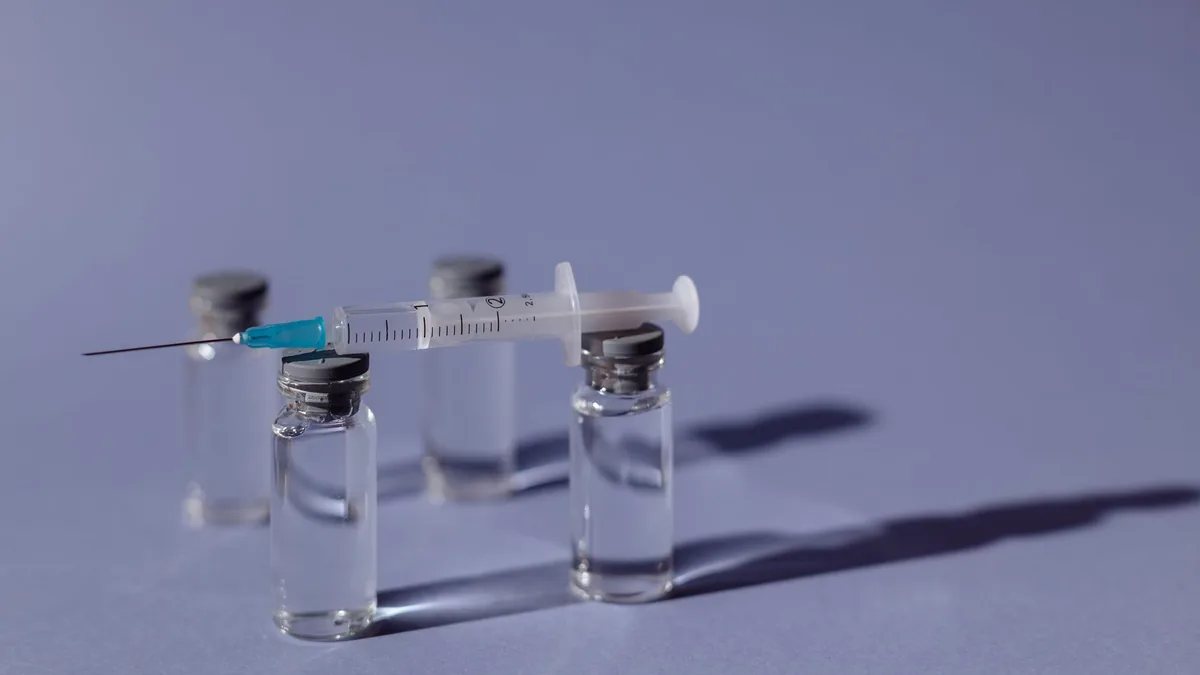
  • TB Testing and Treatment in the I-693 Exam: What St. Louis Applicants Must Know

    TB Testing and Treatment in the I-693 Exam: What St. Louis Applicants Must Know

    TB Testing & Treatment in I-693 Exams: What St. Louis Green Card Applicants Must Know — Dr. Gurpreet Singh Padda, MD, MBA, MHP

    Every I-693 applicant age 2 and older is screened for tuberculosis with an IGRA blood test. A positive result calls for a chest X-ray to rule out active disease. Latent TB infection does not make you inadmissible.

    Tuberculosis screening is the single most common reason I-693 exams get delayed. Almost every delay can be prevented with the right records.

    Who needs a TB test for the immigration medical exam?

    Every green card applicant age 2 and older must be screened for tuberculosis. The standard is the IGRA (Interferon-Gamma Release Assay) blood test. It is more specific than the old skin test. Under CDC technical instructions, a past BCG vaccination does not confound it (throw off the result).

    What happens if my TB test for my green card is positive?

    A positive IGRA does not mean you have active tuberculosis. It does not mean your application is in trouble. It means more evaluation is required, typically a chest X-ray, to rule out active disease. Most positive results reflect latent TB infection (TB germs that are inactive in the body) or old, treated exposure. Latent TB does not make you inadmissible. The process simply documents that active disease is absent.

    Which TB records save weeks on the I-693?

    Have you ever had a positive TB test, a chest X-ray for TB, or treatment for latent or active TB? Bring that documentation. Records of finished treatment, past imaging reports, and dates matter enormously. Without them, testing and evaluation may need to start from zero. That adds weeks. With them, a past positive result can often be resolved in a single visit.

    We prepay and set up chest X-rays when needed. That way, applicants who need imaging aren’t left to sort out radiology scheduling on their own.

    Related reading: TB Testing for the Green Card Exam · I-693 Exam: What St. Louis Applicants Must Know · Gonorrhea & Syphilis Testing in the I-693 Process · I-693 Immigration Medical Exam Cost — $390 Flat, St. Louis

    Frequently Asked Questions

    Does a positive TB blood test stop my green card?

    No. A positive IGRA triggers more evaluation, usually a chest X-ray, to rule out active disease. Latent TB infection is common. It is not grounds for inadmissibility.

    I had the BCG vaccine as a child. Will that cause a positive test?

    The IGRA blood test used in I-693 exams is not confounded by BCG vaccination the way the old skin test was. That is one reason it is the preferred screening method.

    What TB records should I bring to my exam?

    Any past TB test results and chest X-ray reports. Also bring documentation of latent or active TB treatment, including medication names and the dates you finished.

    Do immigrants get tested for TB?

    Yes. Every green card applicant age 2 and older is screened for tuberculosis as part of the I-693 exam. The standard is the IGRA blood test. Under CDC technical instructions, it is not confounded by past BCG vaccination. A positive result leads to a chest X-ray to rule out active disease. On its own, it does not stop your application.

    How much does the medical exam for the I-485 cost?

    The medical exam filed with your I-485 is Form I-693. At our St. Louis office the I-693 exam is $390, and a follow-up visit is $190. Bring every past TB test result, X-ray report and treatment record. With them, a previous positive result can often be resolved in a single visit. You avoid restarting the evaluation from zero.

    Watch the full video above, and explore the rest of the series on our YouTube channel.

    Schedule Your Exam in St. Louis

    Schedule Your Exam  Text (314) 886-5902  Call (314) 960-9100

    Dr. Gurpreet Padda, MD — USCIS-Designated Civil Surgeon (CSID 111051)
    4477 Woodson Rd, Suite 102, St. Louis, MO 63134 — minutes from St. Louis Lambert International Airport
    🌐 ImmigrationExam.us
    🕗 Mon–Wed 8:00am–5:00pm · Thu 8:00am–12:00pm · Closed Friday & federal holidays

    💵 I-693 exam $390 · Follow-up visit $190 · N-648 case review $400 (credited toward evaluation) · N-648 evaluation from $1,400

    This article is educational information about the immigration medical examination process. It is not legal advice and does not create a physician–patient relationship. For legal questions about your case, consult a licensed immigration attorney.

    Medically reviewed by Dr. Gurpreet Singh Padda, MD, MBA, MHP — USCIS-designated civil surgeon (CSID 111051), board certified in Anesthesiology, Pain Medicine, Interventional Pain Management, Addiction Medicine, and Obesity Medicine. Last reviewed September 2026.

  • The I-693 Exam: What Every St. Louis Green Card Applicant Must Know Before Booking

    The I-693 Exam: What Every St. Louis Green Card Applicant Must Know Before Booking

    What St. Louis Green Card Applicants Must Know — Dr. Gurpreet Singh Padda, MD, MBA, MHP

    Form I-693 is the medical exam USCIS requires of every adjustment-of-status applicant. A designated civil surgeon does it. It is limited to communicable diseases, required vaccinations, certain mental health conditions and substance abuse. Most delays come from missing vaccine records, TB testing and incomplete papers.

    The I-693 immigration medical exam is one of the last hurdles before your green card. It is also one of the easiest places to lose weeks to a mistake you could have stopped.

    What is the I-693 medical exam?

    USCIS requires every adjustment-of-status applicant to complete Form I-693. It is a medical exam done by a designated civil surgeon. The exam checks only for the things immigration law cares about. Those are certain communicable diseases, required vaccinations, mental health conditions associated with harmful behavior, and substance abuse. It is not a physical. Your general health is not being graded.

    What are the most common reasons I-693 exams get delayed?

    Vaccinations. The CDC’s immunization requirements for immigration are stricter than the usual adult shot schedule. They are more specific, too. The usual problem is missing paperwork, not missing immunity. Bring every vaccine record you have, in any language.

    Tuberculosis testing. All applicants age 2 and older require TB screening. This is typically an IGRA blood test. A positive result triggers a chest X-ray and more paperwork. Do you have a history of BCG vaccination or a prior positive test? Bring those records.

    Incomplete personal documents. You’ll need a government photo ID and your vaccination records. Bring any medical history for long-term (chronic) conditions too. Good records can turn many visits into a single one.

    How should I prepare for the I-693 medical exam?

    Gather your records first. Book second. Applicants who arrive with a complete file routinely finish faster. They avoid the follow-up loop entirely. Not sure your records are enough? Text our office before your visit. A two-minute question can save two weeks.

    Related reading: USCIS Medical Exam Is Not a Physical: What It Is · Vaccination Gaps: The #1 Cause of I-693 Delays · I-693 Exam Money-Back Guarantee in St. Louis · I-693 Immigration Medical Exam Cost — $390 Flat, St. Louis

    Frequently Asked Questions

    Do I need an appointment for the I-693 exam?

    Yes. Booking ahead lets us check what papers you need in advance. That way we can complete most exams in a single visit.

    What should I bring to my immigration medical exam?

    Bring a government photo ID and all vaccination records in any language. Bring any prior TB test results. Bring papers for any chronic medical conditions. Include a list of the drugs you take now.

    Which TB records to bring, and why they matter, is covered in TB Testing and Treatment in the I-693 Exam: What St. Louis Applicants Must Know.

    How long does the I-693 process take?

    With complete records, the exam itself takes under an hour. Lab results typically come back within days. Then the sealed I-693 is prepared for your application.

    What medical tests are done for the I-693?

    The exam checks only what immigration law cares about. That means certain communicable diseases, required vaccinations, mental health conditions associated with harmful behavior, and substance abuse. It is not a physical, and your general health is not graded. Every applicant age 2 and older is screened for TB. This is typically done with an IGRA blood test. A positive result leads to a chest X-ray.

    How much does the I-693 exam cost?

    The I-693 exam at our St. Louis office is $390, and a follow-up visit is $190. Arrive with a complete file: government photo ID, every vaccine record you have in any language, and any prior TB test results. That is how applicants routinely finish faster and avoid the follow-up loop.

    Watch the full video above, and explore the rest of the series on our YouTube channel.

    TB Testing Is Where Green Card Exams Stall — Don’t Walk In Blind explains why so many exams stall at TB testing.

    Schedule Your Exam in St. Louis

    Schedule Your Exam  Text (314) 886-5902  Call (314) 960-9100

    Dr. Gurpreet Padda, MD — USCIS-Designated Civil Surgeon (CSID 111051)
    4477 Woodson Rd, Suite 102, St. Louis, MO 63134 — minutes from St. Louis Lambert International Airport
    🌐 ImmigrationExam.us
    🕗 Mon–Wed 8:00am–5:00pm · Thu 8:00am–12:00pm · Closed Friday & federal holidays

    💵 I-693 exam $390 · Follow-up visit $190 · N-648 case review $400 (credited toward evaluation) · N-648 evaluation from $1,400

    This article is educational information about the immigration medical examination process. It is not legal advice and does not create a physician–patient relationship. For legal questions about your case, consult a licensed immigration attorney.

    Medically reviewed by Dr. Gurpreet Singh Padda, MD, MBA, MHP — USCIS-designated civil surgeon (CSID 111051), board certified in Anesthesiology, Pain Medicine, Interventional Pain Management, Addiction Medicine, and Obesity Medicine. Last reviewed September 2026.